






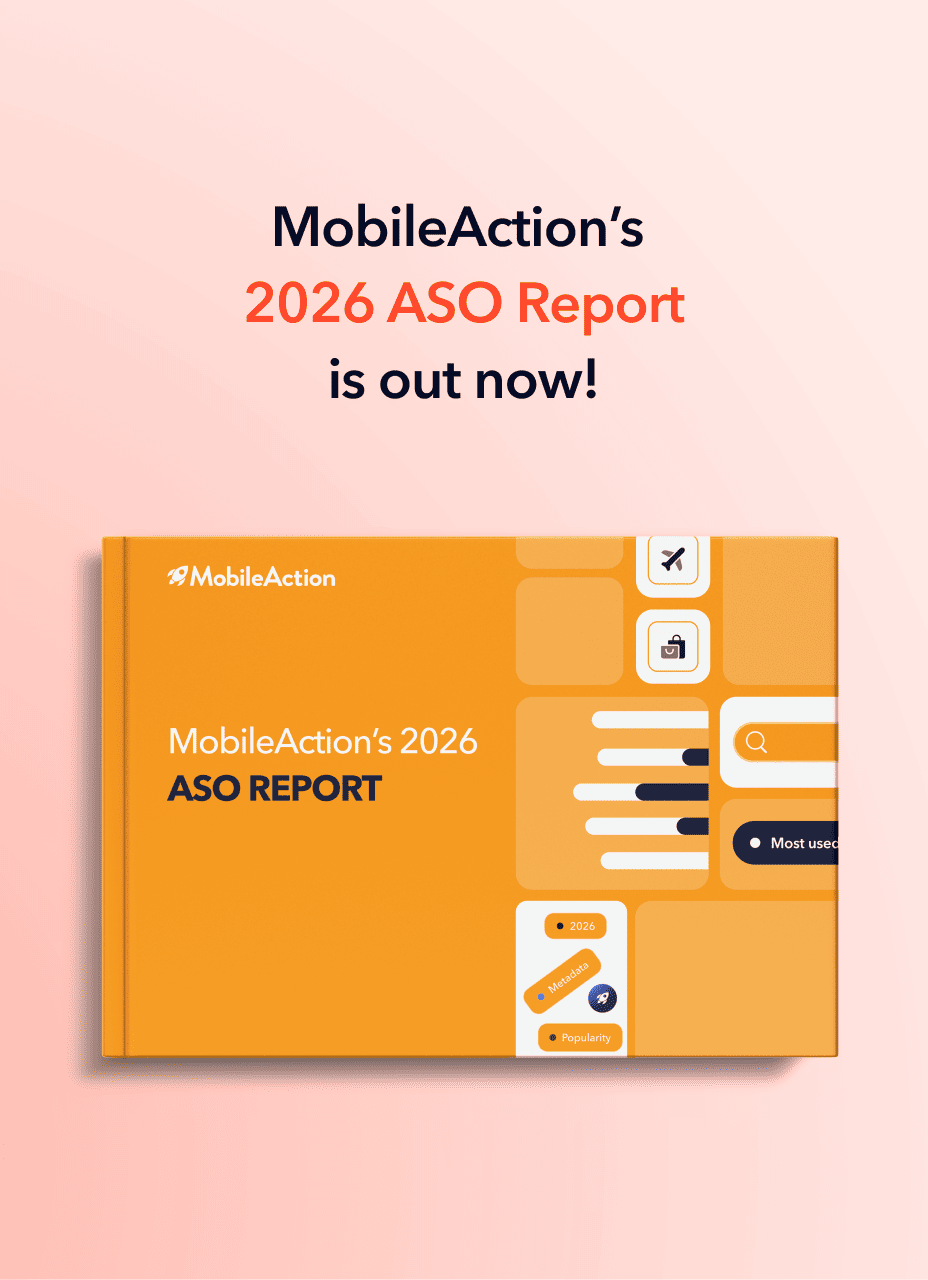


Looking to boost your app's visibility and acquire more users? Our 2025 ASO Report is your ultimate guide to navigating the evolving app store landscape. Packed with data-driven insights, keyword trends, and top-ranking app strategies, this report will equip you with the knowledge to optimize your app's presence and achieve organic growth.
What is native advertising?
Native advertising is a paid format where ads match the look, feel, and function of the surrounding content. You’ll see native ads inside feeds, articles, search results, or product listings, and they are clearly labeled with disclosures such as “Sponsored,” “Promoted,” or “Ad.” The goal is to deliver value without interrupting the user experience.
Native advertising definition
Native ads meaning is straightforward: the ad feels native to the environment where it appears because it follows the same design rules and interaction patterns as organic content.
Examples:
- You scroll a news app and see a sponsored article that looks like other articles, but it has a “Sponsored” label. That’s a native ad.
- You browse an e-commerce marketplace and see a promoted product inside the listing grid marked as “Sponsored.” That’s also native advertising.
Native advertising is often used to reach users while they are already browsing or engaging, rather than interrupting them with banner-style placements.
Native ads meaning: how to recognize a native ad
Native ads are designed to look like content, but they are still ads. You can identify them using three practical checks:
- Disclosure label. Look for labels such as Sponsored / Promoted / Ad / Paid Partnership.
- Format alignment. Native ads typically follow the same layout patterns as the content around them (cards, tiles, feed posts, article previews).
- Interaction match. The ad behaves like surrounding content, same scrolling behavior, same click patterns, similar placement rules.
Native advertising examples
Here are common native advertising examples across web and mobile:
- In-feed social ads. Sponsored posts in a social feed that resemble organic posts, with a small disclosure label.
- Publisher in-feed units. Sponsored cards embedded in editorial feeds on news or content sites/apps.
- Sponsored articles (advertorials). Paid articles created with a publisher, designed to educate or tell a story, with clear sponsorship disclosure.
- Content recommendation widgets. “Recommended for you” or “Promoted stories” sections near the end of articles, often driven by recommendation networks.
- Marketplace promoted listings. Sponsored products placed inside category or search listing grids, labeled accordingly.
- Search native units. Ads placed within search results that match the layout of organic results (with an “Ad” label).
- In-app native cards. Sponsored tiles inside content or discovery feeds in mobile apps (news, lifestyle, shopping, entertainment).
- In-stream native video. Video placements that behave like other videos in a feed (autoplay rules and controls match the platform).
How does native advertising work in digital marketing?
Native advertising works by placing paid content inside the user’s browsing experience, using formats that match the platform’s UI.
A typical workflow:
- Set a goal (traffic, app installs, leads, sales)
- Choose placements (publishers, social feeds, content networks, marketplaces)
- Prepare native assets (headline, body text, image/video, CTA)
- Launch and optimize using performance data (engagement, CTR, conversions)
Mobile native advertising and in-app native ads
Many marketers ask “what is mobile native advertising?” because a large share of content discovery happens on smartphones.
Mobile native advertising refers to native ad formats designed for mobile websites and in-app environments. These ads typically:
- Appear inside in-app feeds (news, content, social, shopping).
- Use mobile-friendly layouts (cards, carousels, vertical video).
- Respect the app’s UI components (fonts, spacing, buttons).
How native ads work inside mobile apps (common placements)
- In-feed cards inside content or social apps
- “Recommended for you” modules blended with organic content
- Sponsored tiles in shopping or marketplace apps
- In-stream video matching the app’s video feed behavior
- Story-style formats between stories or content slides
If you run native placements for app growth, you’ll often evaluate performance using app-focused metrics such as installs, conversion rate, retention proxies, and ROAS, not only CTR.
MobileAction’s Ad Intelligence can help you understand which app publishers and networks perform best for native placements in app install campaigns by analyzing creative patterns and delivery trends.
What is native programmatic advertising?
Native programmatic advertising is the automated buying and selling of native ad placements through ad platforms. Targeting, bidding, and delivery are handled in real time using algorithms.
In practice:
- You upload native creative assets (headline, image/video, CTA).
- You define your audience and budget.
- The platform serves native ads across multiple sites and apps.
Native programmatic is commonly run via platforms such as a DSP (Demand Side Platform).
Native ads vs display ads
Native and display ads serve different roles. Native ads integrate with content; display ads stand apart from content.
| Native ads | Display ads |
|---|---|
| Blend with surrounding content | Stand out as banners or fixed placements |
| Usually higher engagement in-feed | Easier to ignore (“banner blindness”) |
| Flexible formats (cards, listings, stories) | Fixed sizes and placements |
| Often appears inside feeds/search/listings | Often appears around content |
When to use what
- Choose native ads when context and user experience alignment matter, especially for discovery and education.
- Choose display ads when you want broad reach, visibility, or retargeting at scale.
Types of native advertising
In-feed native ads
In-feed ads appear inside editorial or social content feeds and follow the same scrolling behavior.
Common examples:
- Sponsored posts in a social feed
- Promoted cards in a publisher feed
- Paid listings in a content stream
Sponsored content and articles
Publishers and advertisers collaborate on paid articles or stories relevant to an audience. These are used for education and brand awareness and should be clearly labeled as sponsored.
Content recommendation units
Widgets placed near the bottom/side of articles that show content suggestions such as:
- “Recommended for you”
- “You may also like”
- “Promoted stories”
Social media native formats
Platforms offer native placements such as:
- Sponsored posts
- Promoted stories
- Suggested videos
- Carousel units
Search and marketplace native units
Native ads placed inside results and listings, such as:
- Sponsored products in e-commerce results
- Ads inside search results that resemble organic listings
How to run native ads effectively
To run native ads successfully, align format, context, and message. Focus on these fundamentals:
- Placement. Choose platforms where your audience already consumes content (publisher feeds, social networks, content discovery networks, marketplaces).
- Creative design. Native ad creative should match the environment. Avoid banner-like layouts.
- Targeting. Use contextual or behavioral signals to reach the right users. In app marketing, this often includes device, OS, interests, and install history.
- Measurement. Track performance beyond clicks—monitor conversions, installs, engagement, and landing page alignment.
To support planning and creative review, you can explore real-world examples in MobileAction’s Ad Library.
Native advertising best practices
- Always disclose the ad as Sponsored/Promoted/Ad.
- Match the platform’s design (typography, spacing, UI patterns).
- Align your message to intent (users are browsing—don’t force a hard sell).
- Keep landing pages consistent with the promise of the ad.
- Test creative variations (headline angle, image style, CTA).
- Control frequency to avoid fatigue and negative brand impact.
- Monitor performance by placement (feeds vs widgets vs marketplaces can behave very differently).
Native ads tend to perform best when they are useful and contextually relevant, not just visually blended.
Frequently asked questions
Is native advertising considered marketing?
Yes. Native advertising is a paid marketing channel used to promote products, services, or content through placements that match the surrounding experience. It is still advertising, which is why disclosure labels (Sponsored/Ad) are important.
Do native ads give quality traffic?
Native ads can deliver quality traffic because users interact with them while browsing content they already care about. When targeting and context are well-matched, native ads often produce stronger engagement and conversion intent than interruptive formats.
Why do native ads blend naturally with content?
Native ads are designed to match the platform:
- same layout patterns (cards, tiles, feed posts)
- similar typography and spacing
- similar placement positions as organic content
This reduces friction and makes the experience feel familiar.
What is a distinguishing feature of native advertising?
The distinguishing feature is format alignment—the ad adapts to the design and behavior of the platform, so it looks and functions like surrounding content while still being disclosed as advertising.
What is mobile native advertising?
Mobile native advertising refers to native formats designed for mobile apps and mobile web experiences, such as in-feed cards, sponsored tiles, and in-stream video that match the app’s UI and user flow.
What is native programmatic advertising?
Native programmatic advertising is native advertising purchased and optimized through automated platforms (programmatic), where bidding and delivery occur in real time based on targeting rules.
Related terms
Looking to boost your app's visibility and acquire more users? Our 2025 ASO Report is your ultimate guide to navigating the evolving app store landscape. Packed with data-driven insights, keyword trends, and top-ranking app strategies, this report will equip you with the knowledge to optimize your app's presence and achieve organic growth.
Grow your app on the App Store and Google Play Store with our solutions now