









Looking to boost your app's visibility and acquire more users? Our 2025 ASO Report is your ultimate guide to navigating the evolving app store landscape. Packed with data-driven insights, keyword trends, and top-ranking app strategies, this report will equip you with the knowledge to optimize your app's presence and achieve organic growth.
How do apps make money if they are free?
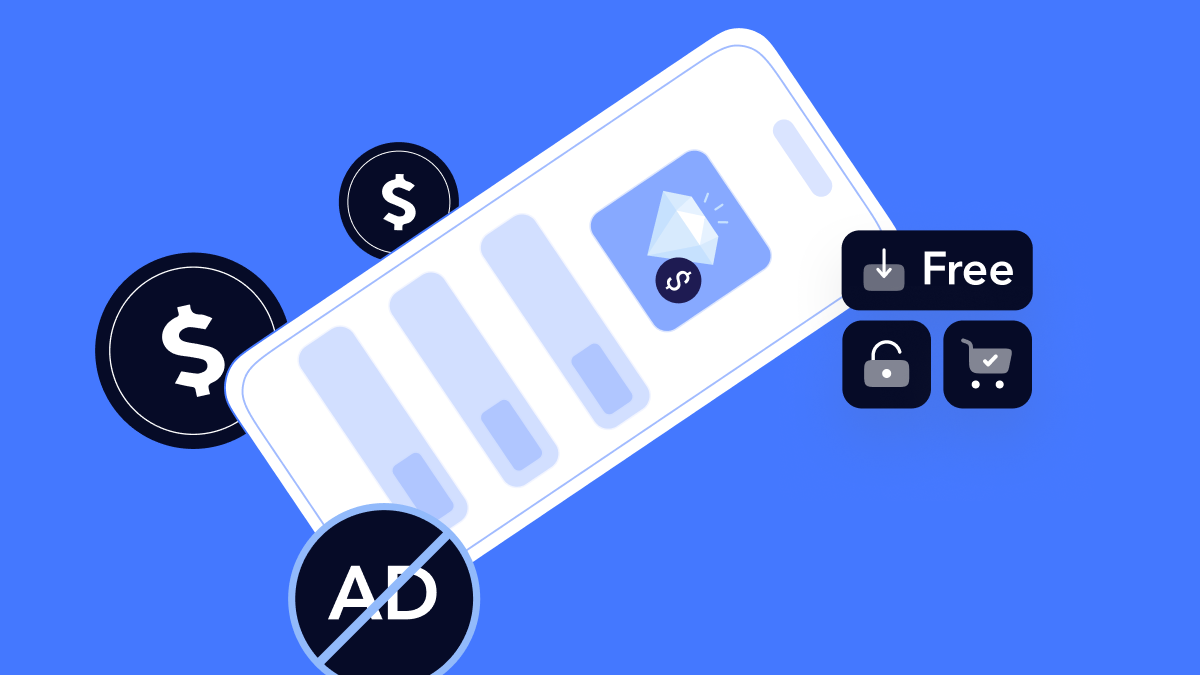
Free apps make money by giving users value upfront and charging only for optional upgrades, features, or access. Instead of asking users to pay before downloading, free apps rely on monetization models such as subscriptions, in-app purchases, freemium upgrades, paywalls, and selling digital or physical goods to generate revenue after installation.
In this guide, you’ll learn app monetization without ads, which models work best for different app categories, and how to choose the right approach based on your product, audience, and growth goals.
How do free apps make money without ads?
Free apps earn money by giving users immediate value without asking for payment upfront, then offering optional ways to upgrade, unlock features, or purchase add-ons.
This model works because most users prefer to try an app before committing financially. When the app delivers a strong first experience, a percentage of users become paying customers through in-app purchases, subscriptions, or other monetization paths.
Before exploring ad-free monetization, here’s a quick look at the most common app monetization models:
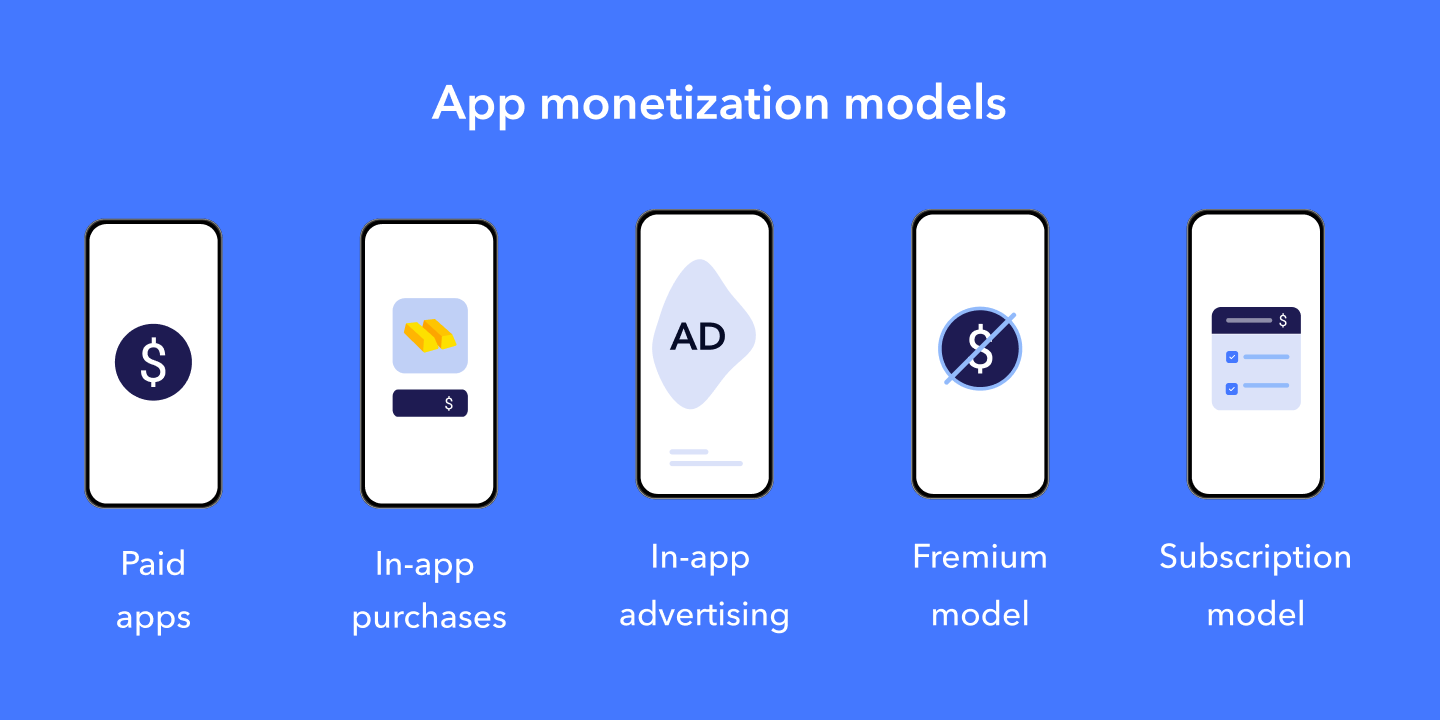
In this blog, we focus only on ad-free monetization. Instead of showing ads, you rely on features, convenience, or premium access to drive revenue. This leads to higher retention, better reviews, and more sustainable monetization for your mobile app.
Is a free app profitable?
Yes, a free app can be highly profitable, but only if monetization is designed intentionally from day one.
Most teams choose a free model because it lowers the barrier to entry and allows users to experience real value before paying. The key difference between profitable and unprofitable free apps is not the pricing model, but how clearly free value and premium value are separated.
When free apps are profitable
-
The core experience delivers immediate, clear value
-
Premium features solve a stronger or ongoing problem
-
Monetization (subscription, IAP, or upgrade) appears after users experience that value
-
The app attracts high-intent users who are willing to pay
When free apps struggle
-
The free version gives either too little value or too much
-
Premium benefits are unclear or poorly communicated
-
Paywalls appear too early or too late
-
User acquisition focuses on volume instead of intent
In practice, free apps often outperform paid apps over time because they scale faster, allow continuous pricing and paywall optimization, and support recurring revenue models like subscriptions or repeat in-app purchases.
How do free apps make money without ads? Monetization strategies for free apps
Now let’s look directly at how free apps make money without ads. These are the core models you can use when you want your app to stay free to download and ad-free in the experience.
Most free mobile apps that don’t use ads rely on one or more of these strategies:
- In-app purchases (IAP)
- Subscriptions
- Freemium model (free core, paid power features)
- Paywalls and trials
- Affiliate and referral revenue
- Sponsorships and partnerships
- Selling digital or physical goods
- Data-driven products or insights
- Licensing or white-label deals
- Hybrid combinations of the above
When you ask “how do you make money from a free app?” The practical answer is: by choosing one or more of these models and designing your product around them. Below, we’ll break each one down and explain when it makes sense.
1. In-app purchases: How free apps turn users into paying customers
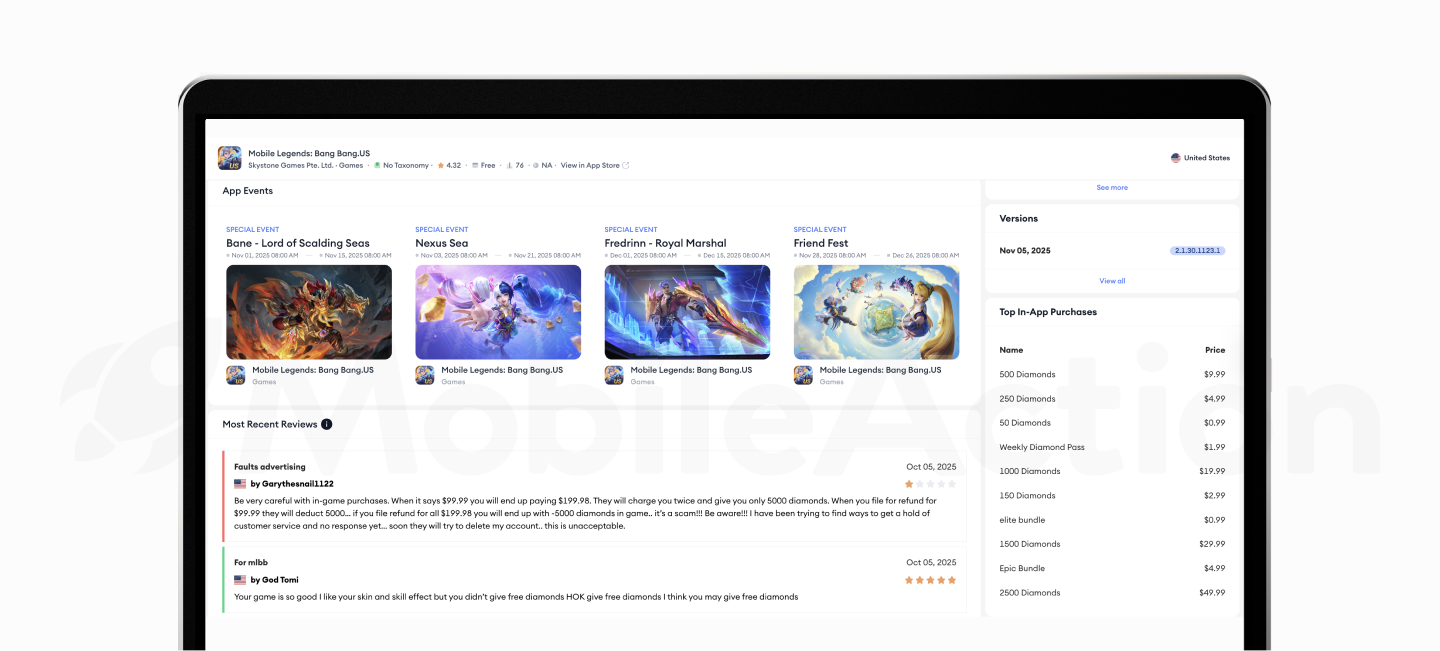
In-app purchases (IAP) let users buy specific items or features inside your free app. They work well when users can clearly see what they’re buying and how it makes their experience better.
Common types of IAP in free apps include;
- Consumables, which are items users can use up and buy again such as coins, extra lives, boosts, or premium credits.
- Non-consumables are one-time purchases that stay unlocked forever, like pro filters in a photo editor, a one-time remove watermark option, or a permanent feature unlock.
- Another type is unlockable content, which includes extra lessons, levels, templates, workout programs, or additional map regions that users can purchase to access more of the app.
This model works best when your app has repeatable use cases (games, utilities, learning, productivity) and users can progress faster, customize more, or unlock convenience through purchases.
✴️ Pro tip: You can see exactly how other free apps make money without ads and which in-app purchases they rely on by checking their IAP lists inside MobileAction’s App Intelligence. You can review top-selling items, pricing, bundles, and categories to understand what works in your market and plan your own monetization strategy with real competitor data.
2. Subscriptions: How free apps earn recurring revenue
Subscriptions are one of the most powerful ways free apps make money today. Instead of a one-time purchase, users pay a recurring fee (weekly, monthly, yearly) for ongoing access.
Use subscriptions when your app delivers continuous value, such as:
- Productivity tools (notes, calendars, habit trackers)
- Health and fitness (workout plans, nutrition, meditation)
- Finance (budgeting, investing, expense tracking)
- Learning (languages, skills, courses)
- Professional tools (design, analytics, content creation)
This model works best when the app is free to download and use with limited features or usage caps, there is a clear premium plan that unlocks more value (unlimited usage, advanced features, better support) and users can start with a free trial, then convert to a paid plan if the product fits their needs.
3. Freemium models: Offering free value while monetizing power users
The freemium model is the combination of:
- A free tier with enough value to attract and retain users
- A paid tier (via subscription or one-time unlock) for users who need more
This is how many SaaS-style mobile apps operate. You might give:
- Full access with usage limits (number of projects, tasks, exports).
- Core features free, with advanced features behind paywalls.
- Personal-use features free, with business or team features paid.
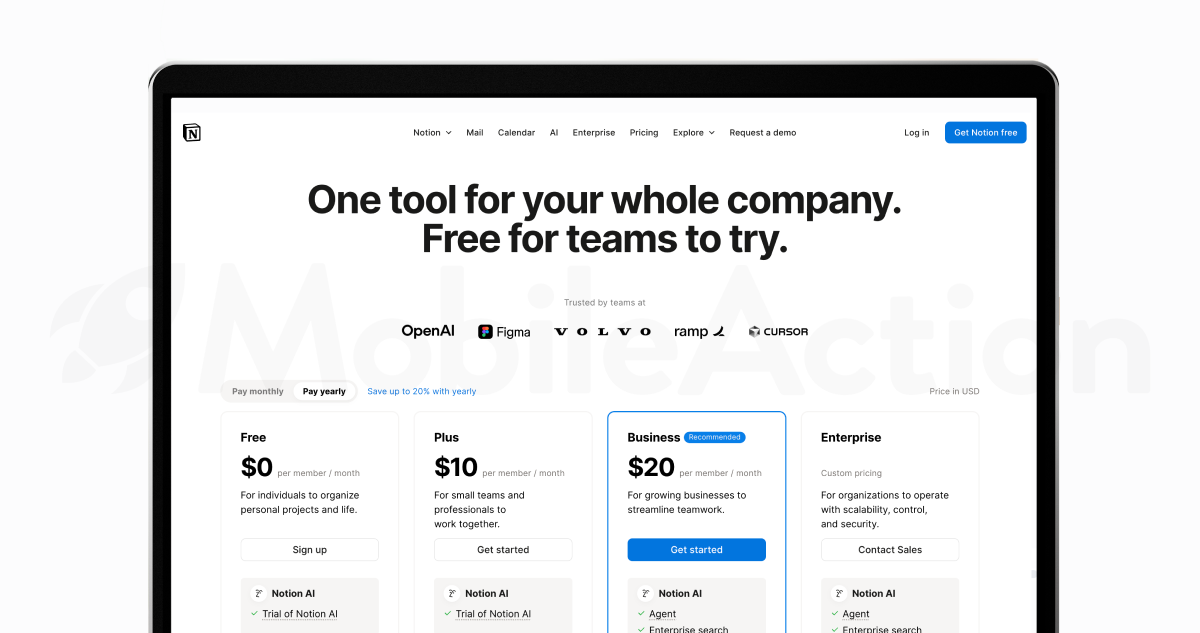
Freemium works best when a large portion of users can be satisfied with the free tier, a smaller segment (“power users”) have stronger needs and are willing to pay for more capacity, speed, or control.
4. Paywall optimization: pricing, trials, and conversion tactics
Paywall optimization can shift your revenue more than the monetization model itself. Even with subscriptions or freemium in place, the way you present the paywall often decides whether users convert or churn.
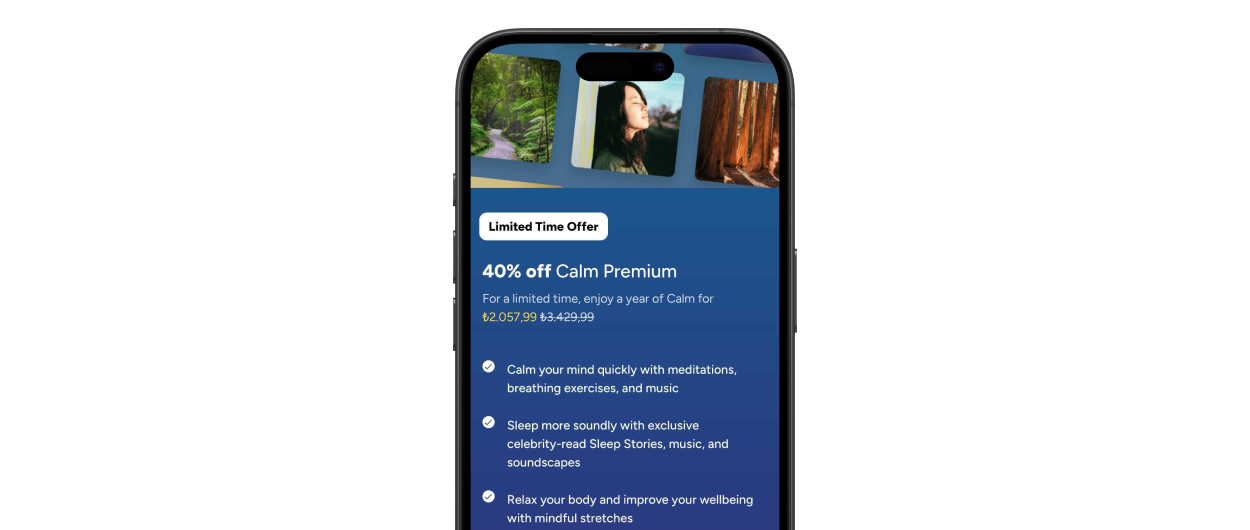
The biggest win is timing. Paywalls perform best when they appear after users experience value, finishing onboarding, completing a task, or hitting a natural limit. Showing it the moment the app opens usually hurts results unless the product clearly depends on it.
Pricing should also be easy to understand. Most apps perform well with two or three options (monthly and yearly). Highlight the yearly plan as the best deal so users know what to choose.
Testing small changes helps you find what works. You can test:
- Two different monthly prices
- With or without a free trial
- Paywall after onboarding vs. later in the app
Your app store visuals should support the same message. If you talk about “advanced insights” in screenshots, your paywall should show those insights too. This makes users feel the upgrade matches what they expected.
High-performing apps follow this pattern. Calm shows a clean paywall after a short intro. Headway shows a quiz, a personalized plan, then a clear yearly offer. Many fitness apps show a personal workout plan first, then lock full access behind the paywall.
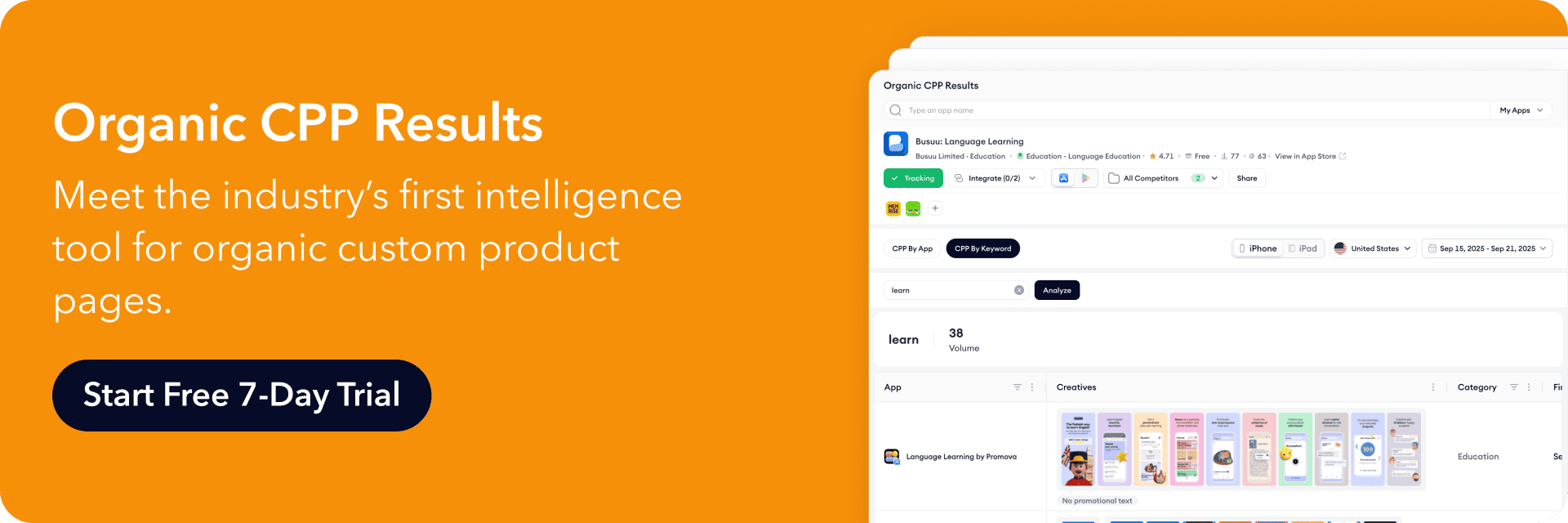
MobileAction helps you strengthen this strategy by identifying high-intent keywords (“premium,” “pro,” “no ads”), analyzing how competitors frame their paywalls, and using CPP Intelligence + Organic CPP Results to see which creatives and pages attract users most likely to pay.
5. Affiliate marketing and referral revenue
Affiliate marketing and referrals are another way free apps make money without using ads. The idea is straightforward. Your app recommends a third-party product or service that naturally fits what your users already need.
This could be a broker inside an investing app, a software tool suggested by a business app, or a product link inside a shopping or comparison app. When users sign up, subscribe, or buy something through that link or integration, the partner pays you a commission.
This model is suitable when your app naturally sits near a purchase decision (finance, e-commerce, travel, SaaS tools). You can recommend a small number of highly relevant partners, not a random list. And, you are transparent and keep user trust; recommendations should be genuinely useful.
For some categories, affiliate and referral revenue can be a strong secondary stream alongside subscriptions or freemium tiers.
6. Sponsorships, partnerships, and brand deals
Some free apps earn money through direct deals with brands or organizations, instead of or in addition to typical ads.
Examples:
- A fitness app partnering with a sports brand for sponsored programs or challenges.
- A learning app creating branded courses with a company.
- A community app hosting sponsored events or content series.
This model is more common when your app has a clear niche audience (runners, designers, developers, specific professions), when you have enough active users to be attractive to partners and when your app’s positioning fits naturally with certain brands.
For early-stage apps, this is usually not the first monetization path, but it can become meaningful once you have traction, strong engagement, and clear audience data.
7. Selling digital or physical goods inside free apps
The Apple 2025 ecosystem report shows how powerful this model can be. In 2024, physical goods and services sold via apps accounted for $1.014 trillion of App Store ecosystem billings and sales, roughly 78% of the total.
Digital goods:
- E-books, templates, design assets, training plans, digital downloads
- Premium content packs (courses, recipes, guides, resources)
- Access to events, webinars, or online communities
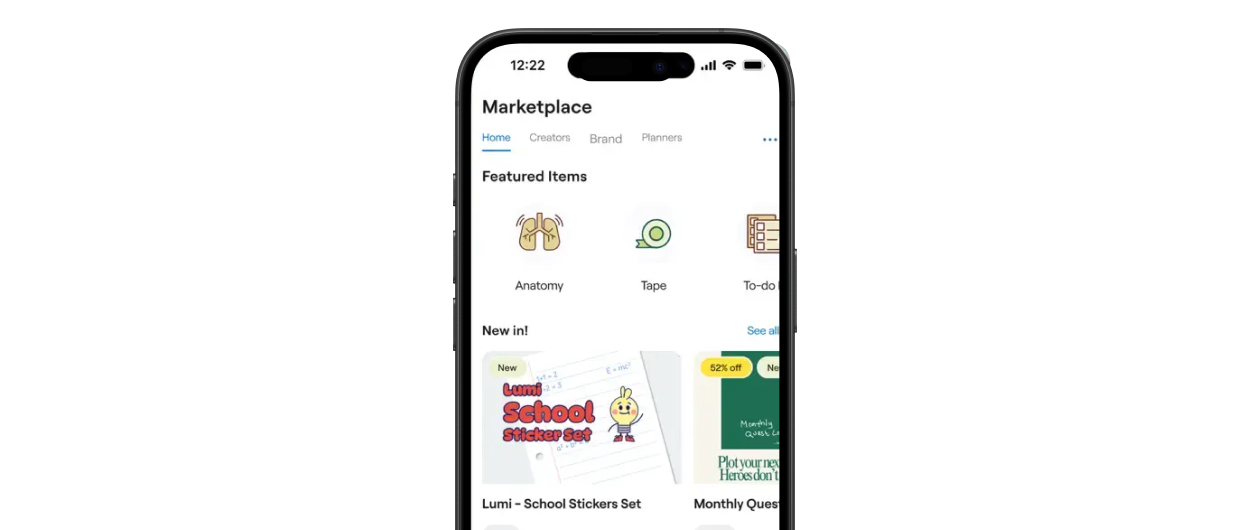
Many free apps now include a built-in marketplace where users can buy templates, stickers, content packs, or other digital products.
Physical goods:
- Merchandise, equipment, printed materials
- Category-specific products (fitness gear, hobby supplies, accessories)
For digital goods, the mechanics are close to in-app purchases or one-time unlocks. For physical goods, you may integrate your own e-commerce backend, a third-party e-commerce platform or platform-specific in-app commerce capabilities, depending on policies.
This model works well if your app already helps users discover or evaluate products and you have a strong brand or community who would buy from you.
When you research how people make money from free apps in your niche, check whether top apps sell any add-ons or related products and how those offers are presented.
8. Data monetization: how some free apps use insights to earn revenue
Some apps generate valuable aggregated, anonymized data about trends, performance, or behavior. In certain cases, companies build separate data products or insights dashboards for businesses.
Important distinction:
- You must always respect privacy laws, platform policies, and user consent.
- Selling or sharing personal, identifiable user data without proper consent is risky and can be against store rules or regulations.
Legitimate data-based monetization usually looks like:
- Aggregated analytics about usage trends, not individual users.
- Sector reports or market research based on how people use your app (with consent and de-identification).
- Tools that give businesses benchmark insights, built on top of your anonymized data.
For most independent developers asking “how do you make money from a free app as a beginner?”, this is also not the first monetization path. It’s more relevant for apps at scale or products built specifically around analytics or B2B insights.
9. Licensing and white-labeling app technology
If you build a strong product or a specialized feature set, you can earn money by licensing your technology to other companies.
Two common approaches:
- Licensing: Another company pays to use your engine, algorithms, or components inside their product.
- White-labeling: You provide a customizable version of your app that other brands can offer under their own name.
This is common in:
- Finance and banking apps
- Booking and ticketing systems
- Education platforms
- Corporate wellness, training, or HR tools
For example, instead of each company building its own meditation app or training platform, one provider offers a white-label solution that they can rebrand.
Licensing and white-label deals can be a powerful way for free apps to make money outside the consumer store, especially if your core tech is hard to replicate.
10. Hybrid monetization strategies used by top-grossing free apps
In reality, most top-grossing free apps don’t rely on only one monetization model. They use hybrid strategies.
Typical combinations:
- Freemium + subscription: Free core features, with Pro plans for power users.
- Subscription + in-app purchases: A subscription for ongoing value, plus one-off purchases for specific extra content or boosts.
- Subscriptions + partnerships/affiliate: Core revenue from users, plus additional income from relevant partner offers.
- Digital goods + community or events: Free app with paid content packs and occasional paid experiences.
The advantages of hybrid models are; you can match different user segments with different monetization paths and you’re less dependent on a single revenue stream.
How can MobileAction help you monetize your free app?
If you want your free app to make money without ads, you need two things to work together:
- A clear monetization model (subscriptions, IAP, freemium, partnerships).
- A steady flow of the right users who are likely to pay.
MobileAction helps you with the second part: finding, attracting, and converting high-value users through data and app store optimization (ASO). Instead of guessing how do free apps make money, you use the real market and store data to shape your decisions.
Here’s how.
1. Choose and validate your monetization model with market data
Before you commit to a model, you can use MobileAction to see how similar free apps make money:
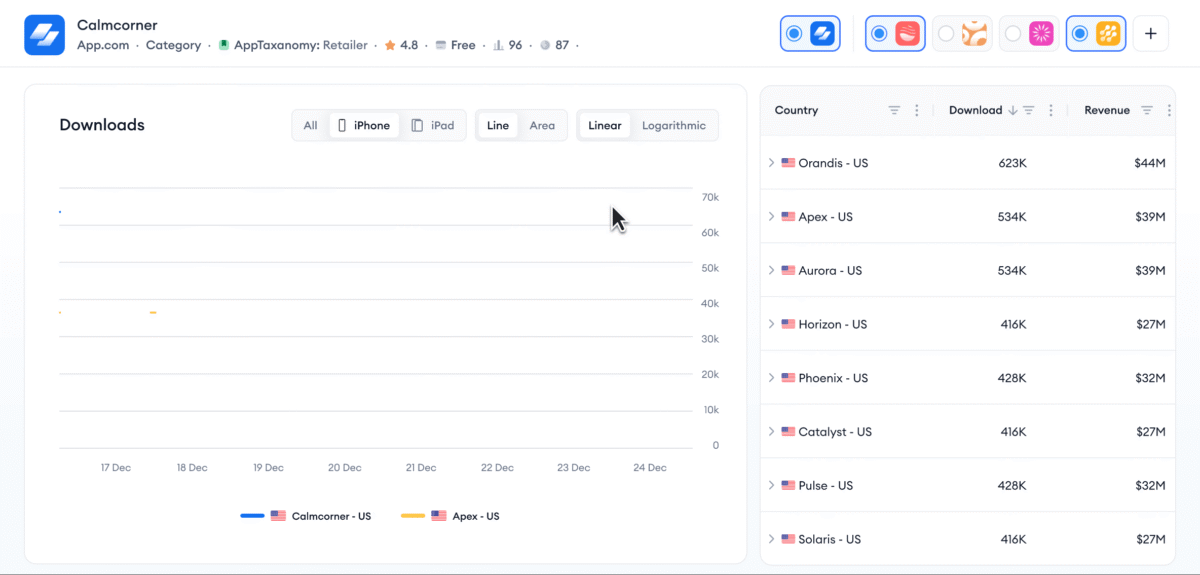
With Market Intelligence, you can identify top free apps in your category, see which apps rely on subscriptions, in-app purchases, or freemium and benchmark estimated downloads and revenue across markets.
With App Intelligence, you can read real user feedback around “price”, “subscription”, “too expensive”, “worth it”, spot what frustrates users about paywalls in competing apps and you can see which premium features people actually appreciate enough to pay for.
2. Use ASO to bring high-intent users who are more likely to pay
Even the best pricing and paywall won’t work if your app store listing attracts the wrong audience. ASO is what connects search intent with your monetization strategy.
With ASO Intelligence (Metadata Optimizer,, Keyword Tracking, Download Share), you can:
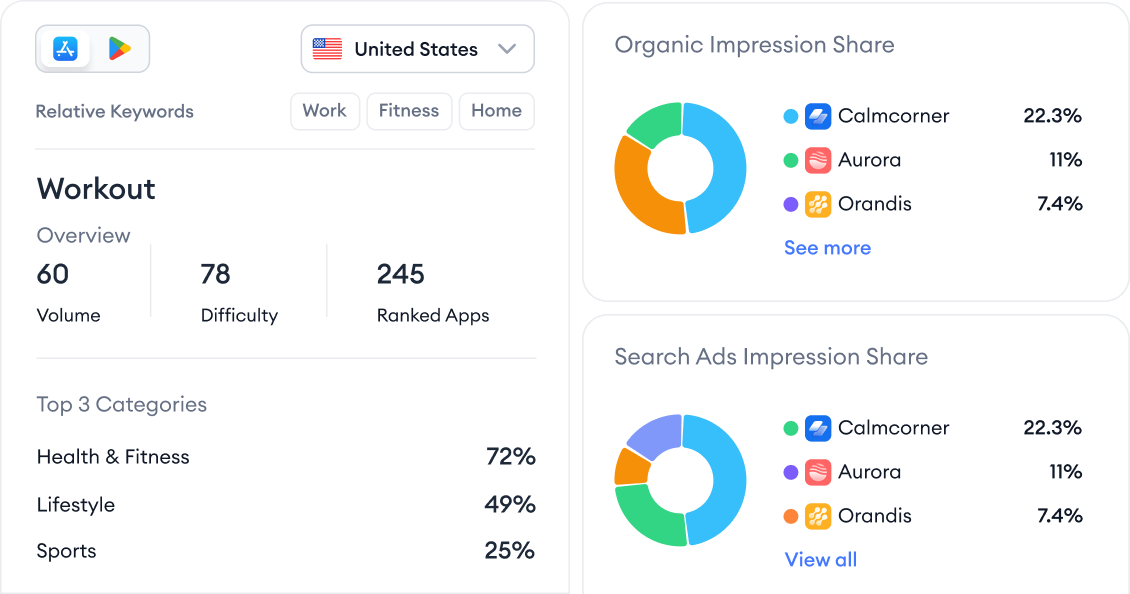
- Target high-intent, paying keywords. Focus on terms that suggest users are open to paying, such as “premium”, “pro”, “no ads”, “planner with reminders”, “budget app with reports”.
- Align your messaging with your monetization model. Make it clear in your title, subtitle, and app description that the app is free to download but offers pro features, premium plans, or advanced tools.
3. Improve conversions with optimized creatives and custom product pages
Your screenshots and videos are often the first place users see your premium value. MobileAction helps you optimize this link between ASO and monetization.
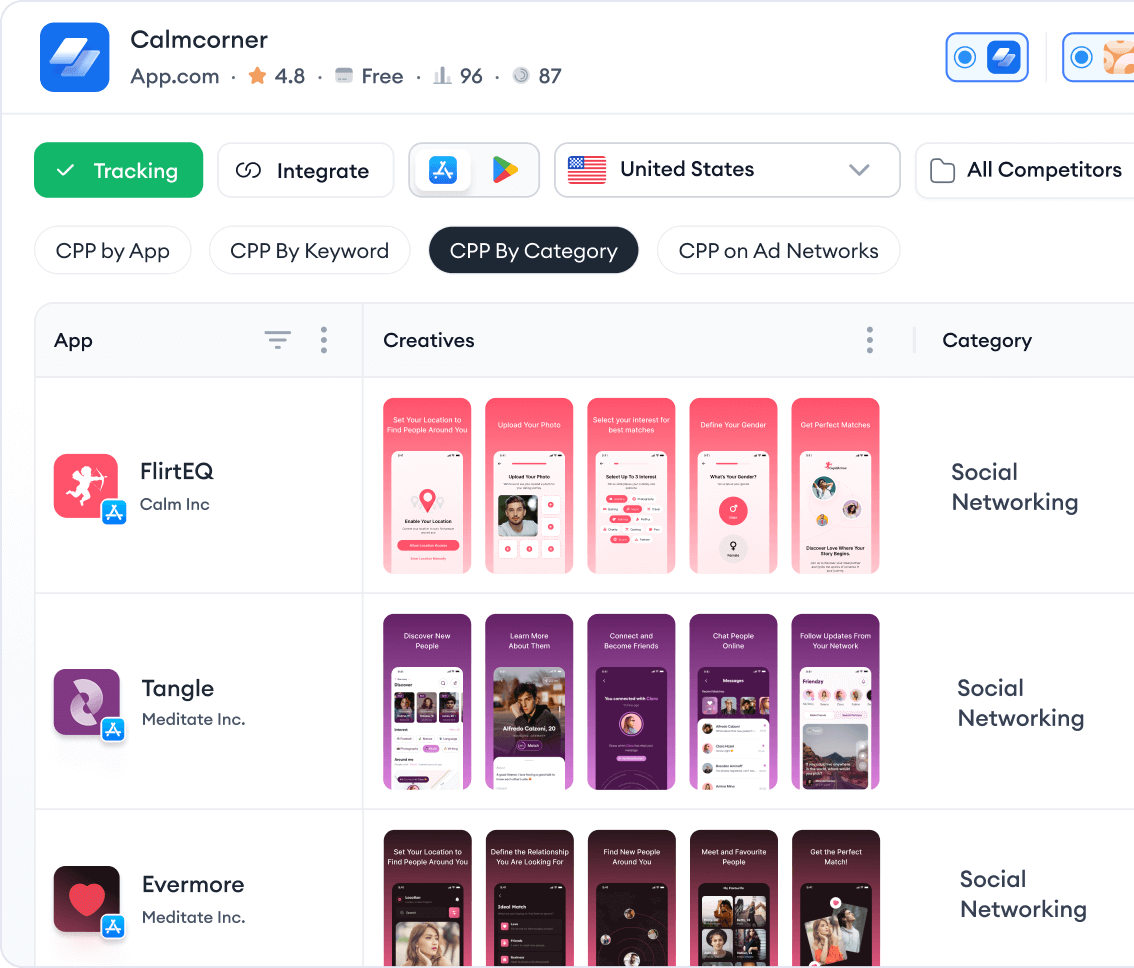
With Creative Monitoring and CPP Intelligence you can see how top-grossing free apps visualize and with Organic CPP Results you can understand which custom product pages or creative variants bring users who are more likely to start trials or buy IAPs. And, how different messaging (e.g., “no ads”, “pro tools”, “unlimited access”) impacts installs and in-app revenue.
4. Connect acquisition, engagement, and revenue to see what makes free apps earn
To grow a free app that earns money long-term, you need to see the full picture: Which countries, keywords, and creatives bring the highest ARPU (average revenue per user).
With MobileAction’s analytics-focused modules (Analytics Overview, Revenue Snapshot, Conversion Funnel View, Organic Acquisition Dashboard), you can:
- Track the journey from impressions → store views → installs → revenue.
- Compare markets to see where free users are more likely to subscribe or make in-app purchases.
- Measure the impact of ASO A/B tests (new keywords, new screenshots, new product page) on trial starts and conversions.
When you combine these with the strategies in this blog post, subscriptions, in-app purchases, freemium, partnerships, you move from asking “how do free apps make money?” to manage a clear, data-backed monetization system for your own free app.
Frequently asked questions
How much money do free apps make?
Revenue varies by category, model, and engagement, but free apps generate the majority of the global app economy’s earnings. According to Apple’s 2025 Global App Store Ecosystem Report, the ecosystem generated $1.295 trillion in 2024, and most of it came from free-to-download apps selling digital goods, subscriptions, services, and physical commerce, not ads.
Apps using subscriptions or IAPs typically earn the highest ARPU, while content-heavy or utility apps often perform best with subscription tiers. Games can scale quickly with IAP-driven revenue.
How do free apps make money if they are free?
Free apps make money by offering value upfront and giving users optional ways to pay. The main models include in-app purchases, subscriptions, freemium tiers, paywalls and trials, affiliate partnerships, digital/physical goods, sponsorships, and in some cases data-based products.
Instead of forcing users to pay upfront, free apps convert a portion of engaged users into paying customers once they see the value of premium features.
How do you make money from a free app as a beginner?
If you’re just starting, the simplest path is:
- Build a free core experience that solves a real problem.
- Add one clear premium upgrade (usually a subscription or a one-time unlock).
- Introduce the paywall only after users see value.
- Use ASO to attract high-intent audiences who are more likely to convert.
Beginners should avoid complex pricing, large IAP catalogs, or multiple tiers. Start with one strong, valuable premium feature and expand later based on user behavior.
Which types of free apps make the most money?
The highest-earning free apps tend to cluster in a few categories:
- Games: Free-to-play games dominate gaming revenue; free-to-play titles generate the majority (around 85%) of global gaming revenue according to Visual Capitalist.
- Entertainment, streaming, and content: Video, audio, and reading apps monetize heavily through subscriptions and in-app purchases.
- Health & fitness, productivity, and finance: These categories are strong performers for subscription-based revenue and have some of the highest ARPU among non-gaming apps.
- Commerce and marketplaces: On iOS, physical goods and services sold via apps (shopping, food delivery, travel, ride-hailing, etc.) account for about 78% of the App Store ecosystem’s billings and sales.
Most of this money comes from free-to-download apps that monetize via IAPs, subscriptions, and transactions, not from paid downloads.
Further reading

Content Marketing Specialist
Resources that you'll love

Grow your app on the App Store and Google Play Store with our solutions now