



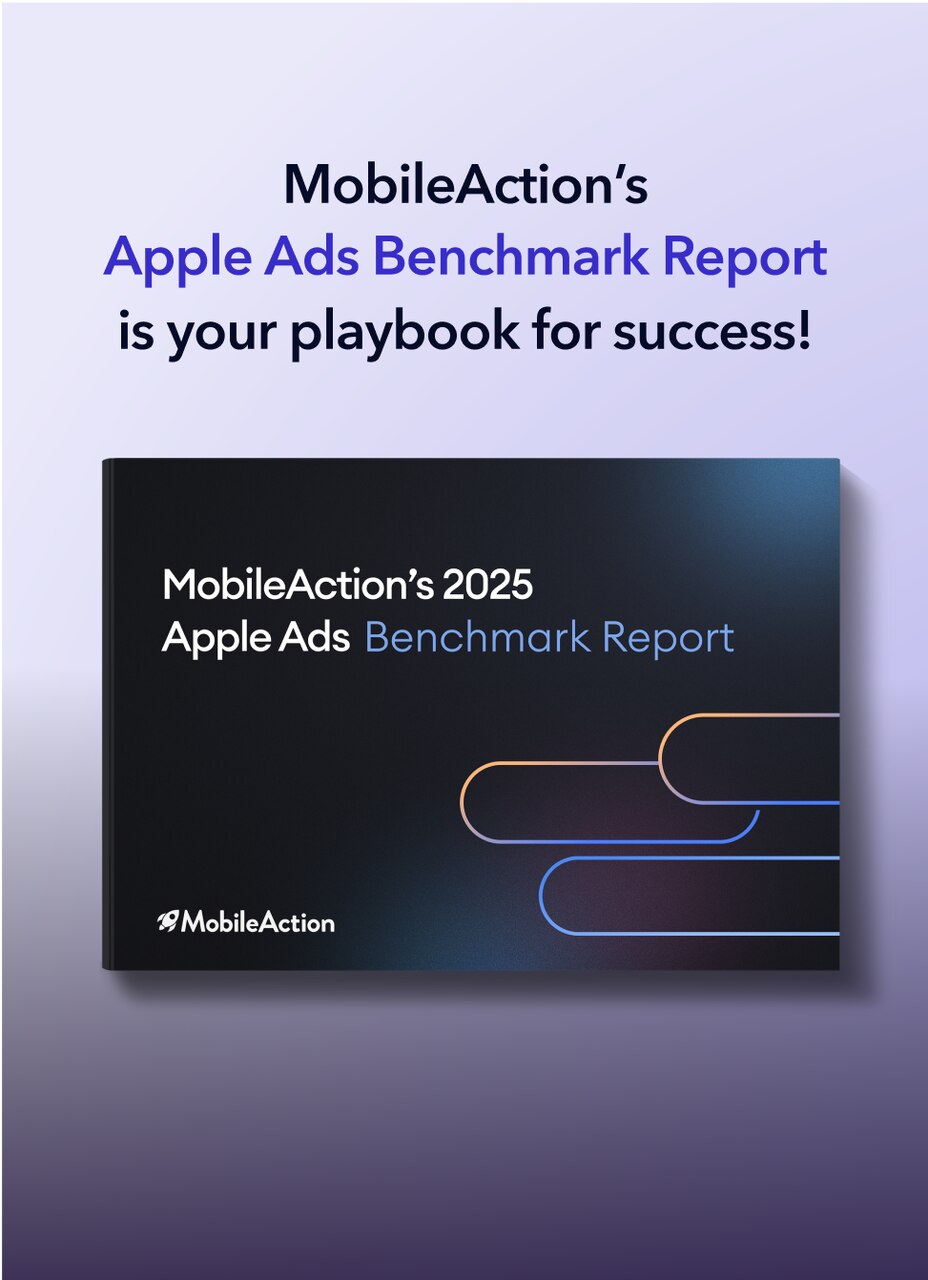


Looking to boost your app's visibility and acquire more users? Our 2025 ASO Report is your ultimate guide to navigating the evolving app store landscape. Packed with data-driven insights, keyword trends, and top-ranking app strategies, this report will equip you with the knowledge to optimize your app's presence and achieve organic growth.
Mobile game influencer marketing has become one of the most reliable ways to reach players where they spend their time. Gamers follow creators on YouTube, TikTok, Twitch, and other platforms not only for entertainment, but also for recommendations, game playthroughs, and honest opinions. When a creator demonstrates a game and explains why they enjoy it, new users are more likely to download, try it, and keep playing.
As competition continues to increase, many studios now treat mobile game influencer marketing as a core acquisition channel. However, results vary widely. Some campaigns attract loyal players and revenue; others spend budget without measurable impact.
In this blog post, you will learn what mobile game influencer marketing is, common mistakes, how to level up your strategy, and how to choose platforms that work for your audience.
What is mobile game influencer marketing?
Mobile game influencer marketing is a user acquisition strategy where game publishers collaborate with content creators to promote their game to a targeted audience. These creators, often on YouTube, TikTok, Twitch, or Instagram, produce gameplay videos, reviews, tutorials, or challenges that feature the game in a way that feels organic and engaging.
The goal is to drive:
- Installs: Users who watch the content and immediately download the game.
- Awareness: Long-term interest and social visibility.
- Retention: Influencer-driven installs often convert into more engaged users.
Compared to traditional ads, influencer marketing for gaming apps can build trust faster, create social proof, and tap into niche communities. This is especially effective for genres like strategy, puzzle, RPG, simulation, or casual games, where gameplay style and creator fit matter.
What makes influencer marketing different for mobile games?
Mobile game influencer marketing requires different considerations than physical products or desktop software:
- Fast install funnel: Viewers can instantly download the app while watching.
- Cross-platform behavior: Users jump from video content to app stores, so store readiness matters.
- Tracking complexity: Influencer impact is spread across organic, paid, and branded search installs.
- Retention window: You often see the highest number of installs in the first 48 hours after the content is published.
That’s why successful mobile game influencer campaigns require tight alignment between creative content, platform selection, app store presence, and ASO keyword strategy.
Mistakes of mobile games in influencer marketing
Influencer marketing can drive awareness and installs for mobile games, but certain mistakes reduce impact. The issues below are common and usually easy to avoid with better planning and alignment.
1. Selecting influencers based only on follower count
Follower count alone is not a useful indicator. What matters is whether the creator’s audience plays similar games. When the interest doesn’t match, installs are low even if the content receives views.
It’s better to focus on fit than reach. Look at audience demographics, past sponsored content performance, and the type of content they produce. A mid-sized creator with a strong audience in your game genre can bring more installs than a huge creator who doesn’t play similar games.
2. Mismatch between the influencer content and the app store listing
When users come to your app store page after watching a creator’s video, they expect to see the same features, mood, or gameplay highlighted. If your store visuals are outdated or too generic, that disconnect can hurt conversions.
You should update your app store screenshots, preview video, and descriptions to reflect the features shown in the influencer’s content. If the creator emphasized multiplayer battles, make sure your visuals lead with that. Consistency helps close the loop from interest to install.

Pro tip: If you want to see how competitors adjust their store creatives around campaigns, MobileAction’s Creative Monitoring lets you track these changes over time.
3. No reliable way to measure impact
Some teams launch game influencer campaigns without tracking their results. They may see a temporary change in installs, but cannot tell whether the campaign caused it. A more reliable approach is to monitor:
- branded keyword searches
- store page conversion rates
- changes in organic installs during the campaign period
4. Standardized briefs for every creator
Mobile game influencer marketing works best when creators have room to adapt. If every video looks and sounds the same, the result feels like an ad. You should still give clear direction, but also give room to personalize. Let creators decide things like:
- how the video is structured
- how fast or slow the content is
- how they talk about the game
- how deep they go into gameplay
When creators add their own touch, the content fits naturally on their channel and viewers enjoy it more.
5. Using one store listing for all traffic sources
People come from different places and expect different things. Someone who saw a fast TikTok clip may want action right away. Someone who watched a long YouTube tutorial may care more about strategy or features.
If you send everyone to the same store page, you lose a chance to show them what they care about most.
Instead, you can create custom product pages / custom store listings tailored to the campaign’s tone, feature focus, or target region. This allows you to control how your game is positioned depending on the audience segment or traffic source.
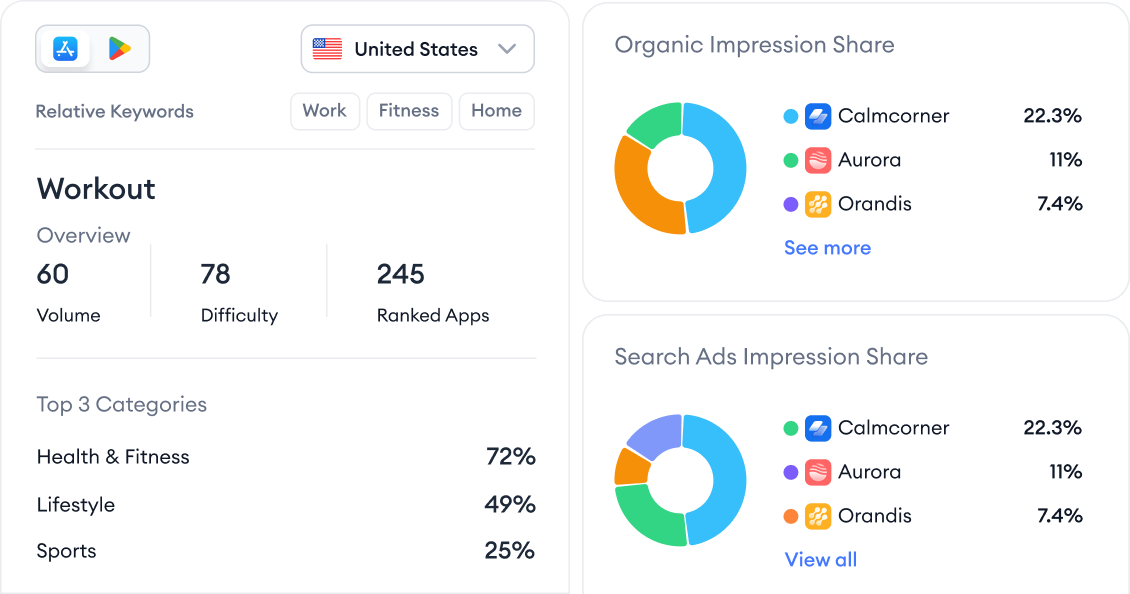
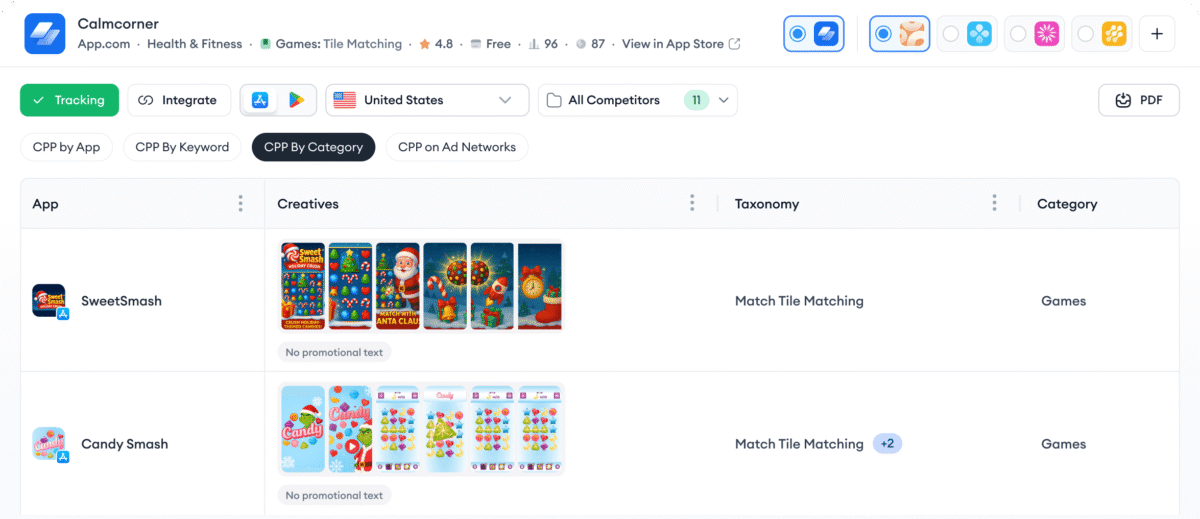
Pro tip: MobileAction’s CPP Intelligence can help you research how other games use custom product pages across channels and measure their performance.
How to level up your mobile game with influencer marketing
To get consistent results from mobile game influencer marketing, you need a clear structure. Instead of treating each collaboration as a one-off experiment, it helps to define objectives, connect creator content to the in-game experience, and measure what actually changes in your metrics.
1. Define clear objectives for each campaign
Start by deciding what you want influencer marketing for mobile games to achieve. Common objectives include:
- generating awareness before a launch
- driving new installs for an existing title
- bringing back lapsed players around an update or event
Your goal will shape the type of creators you choose, the platforms you prioritize, and the format of the content. For example, a mobile game launch influencer strategy may focus on high-reach YouTube or TikTok creators, while re-engagement may rely more on streamers who already play similar games.
2. Match creators and formats to your gameplay
To level up your mobile game influencer strategy, align creator style with how your game is actually played:
- Hypercasual titles often fit short, fast-paced videos.
- Strategy or RPG games benefit from longer-form content that shows progress.
- Competitive multiplayer games are a good fit for live streams and highlight clips.
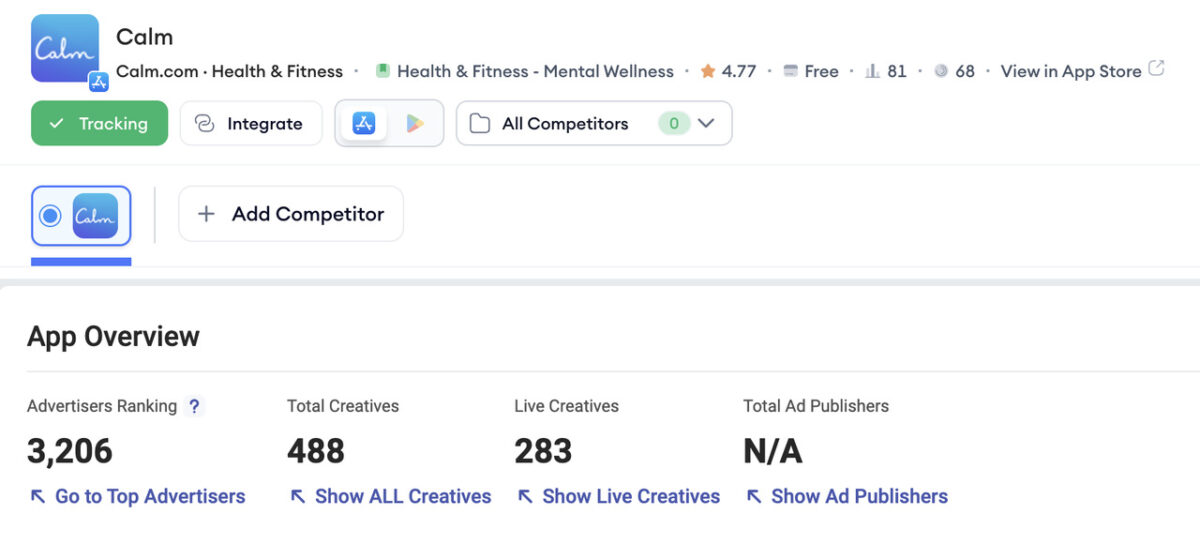
If you want to understand what works in your genre before writing briefs, you can review real examples of ads that top games are running. With Ad Library, you can search any app and instantly see their creative strategy, video hooks, formats, and platforms. This makes it easier to spot patterns before planning your own mobile game influencer campaigns.
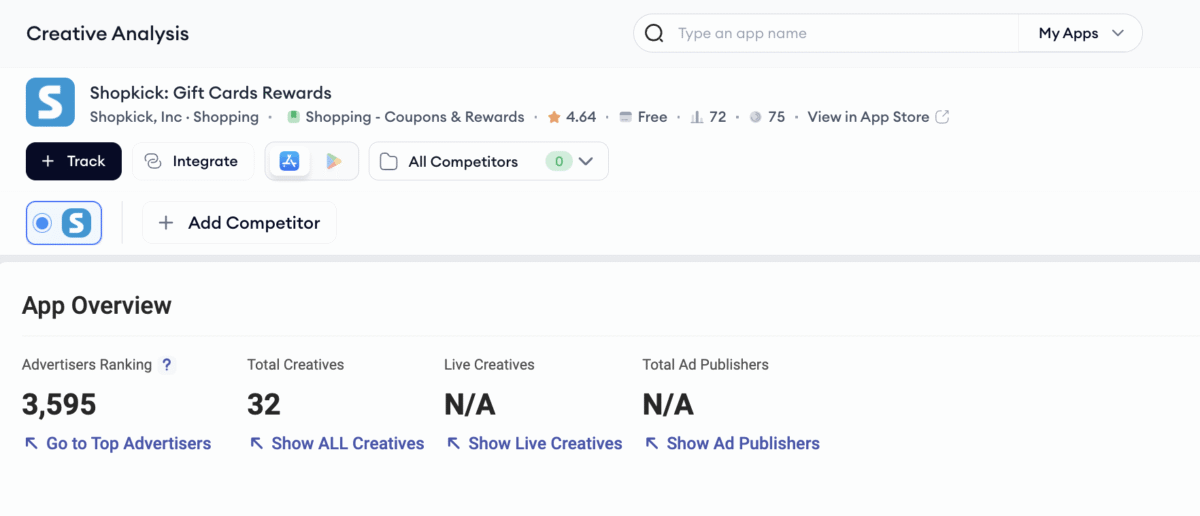
For deeper competitive insights, Creative Analysis and Top Creatives in Ad Intelligence show which ads run on which networks and how often, so you can base your planning on real market activity.
3. Make the store listing reflect influencer content
A common issue in mobile game influencer marketing is a gap between what viewers see in the video and what they see on the store page. This affects user acquisition with influencer marketing because users may click through but decide not to install.
Check that your:
- icon reflects recognizable characters or themes from the content
- screenshots show similar scenes or modes demonstrated by creators
- description mentions key features or rewards they highlight
4. Plan for post-view searches
After watching a mobile game influencer campaign, many players do not tap a direct link immediately. Instead, they search for the game name or related terms later. If you do not appear prominently for these queries, you may lose installs.
To handle this:
- monitor branded and category keywords related to your game
- check whether search volume increases during and after campaigns
- make sure your metadata supports both brand and genre terms
5. Measure impact and iterate
To improve influencer marketing for gaming apps over time, you need to know what changed during each campaign. Look at:
- installs and conversions before, during, and after content goes live
- changes in organic installs and rankings
- how store page conversion behaves with increased traffic
6. Connect campaigns with in-game moments and landings
Mobile game influencer marketing is more effective when there is something specific for players to do once they install:
- time-limited events
- new character releases
- progression challenges or competitive modes
These moments give creators a concrete angle for their content and give users a clear reason to try the game. If you want the store experience to match different audiences or creator angles, custom product pages can be used to show tailored visuals and messaging for specific campaigns or traffic sources.
By defining objectives, aligning creators with gameplay, synchronizing store listings with content, and measuring outcomes, you can systematically level up your mobile game influencer marketing and make it a repeatable part of your user acquisition mix.
What’s the best influencer marketing platform for mobile users?
When you ask “what’s the best influencer marketing platform for mobile users?”, there is no single universal answer. The best platform for mobile game influencer marketing depends on your game’s genre, target audience, regions, and campaign goals. Instead of choosing a platform by trend or personal preference, it helps to understand what each major channel does well and how mobile gamers behave on it.
Before you pick specific mobile game influencer platforms, define a few basics:
- Who are you trying to reach? (age, regions, language)
- How complex is your game? (hypercasual vs mid-core vs hardcore)
- What is your main goal? (awareness, installs, re-engagement)
Short-form platforms are better at reach and discovery. Longer-form platforms are better at explanation and depth. Live platforms are stronger at community and long-term engagement. For influencer marketing for gaming apps, most campaigns end up using a mix.
YouTube: depth and searchability
YouTube is often a core platform in mobile game influencer marketing because it supports both discovery and long-term viewing:
- It works well for strategy, RPG, simulation, and competitive games where you need time to explain mechanics, progression, or meta.
- Videos continue to generate views over time through search and recommendations.
- Viewers can see real gameplay, which helps set accurate expectations before install.
YouTube is a strong candidate when you want detailed coverage, tier lists, guides, or “first impressions” that live beyond the initial campaign window.
TikTok and Reels: reach and fast testing
TikTok and Instagram Reels are popular mobile game influencer platforms for fast-paced discovery:
- Short videos are good for hypercasual, runner, arcade, and simple PvP games.
- You can test many hooks, angles, and visual styles quickly.
- Users often decide in a few seconds whether to keep watching or swipe.
These platforms are useful when you want to test different creative ideas for mobile game influencer marketing and see what gets attention. They are also effective for events, limited-time content, and “try this now” moments because of their real-time nature.
Twitch and live platforms: community and depth
Twitch and other live streaming platforms are more niche for pure mobile user acquisition, but they work well in some cases:
- Competitive games, co-op games, and games with strong endgame benefit from live play, commentary, and audience interaction.
- Long play sessions allow creators to show real difficulty, progression, and team play.
- Viewers may not all be mobile-only, but they often play across multiple devices.
Live platforms are strongest when you need to build community, run tournaments, or support long-term engagement around your title rather than only focusing on first-time installs.
Instagram, X, and other social channels: supporting roles
Other channels like Instagram feeds, X (Twitter), or Discord often act as supporting platforms in mobile game influencer strategy:
- They help with reminders about events, updates, or new content.
- They are useful for sharing codes, links, or short clips.
- They support ongoing communication with players who already follow the creator.
These platforms rarely act as the main acquisition driver on their own, but they help reinforce messaging from YouTube, TikTok, or Twitch.
Using data to choose “the best” platform for your game
Instead of asking “which platform is best in general?”, focus on “which platform is best for this game, in this market, for this goal?” Practical steps:
- Look at your target regions: some markets are more video-centric (YouTube), others are strongly driven by short form (TikTok).
- Match game complexity to format: the more complex the game, the more you benefit from longer content.
- Consider your budget and team capacity: multi-platform strategies require more coordination and creative adaptation.
If you are unsure where similar games are investing, Ad Intelligence (Advertiser Analysis, Ad Publisher Analysis) can help you see how top mobile games split their budgets across networks and which apps they use as ad inventory. This is useful when you want data-backed guidance on where mobile users in your genre already spend time and which environments are worth testing first.
Mobile game influencer campaign examples in 2025
Real campaign examples make it easier to understand how mobile game influencer marketing works in practice. Below are four cases that show how different teams used creators, formats, and timing to support awareness, installs, and re-engagement. Each example relates to a different part of a mobile game influencer strategy and highlights what was done and why it worked.
Top Troops × MrBeast: creator integration and in-game content
Top Troops partnered with MrBeast for a high-reach YouTube sponsorship. The campaign included more than a mention:
- The studio created a MrBeast-themed character and an in-game challenge that was available for a limited time
- The sponsored video reached above 300 millions of views very quickly and appeared on YouTube trending
This example shows how mobile game influencer marketing can go beyond generic promotion. Integrating the creator directly into the game gives viewers a clear reason to install during the campaign window. It is a practical approach for launch or for a new feature that benefits from immediate visibility.
Royal Kingdom × Courteney Cox & Lisa Kudrow (Friends)
Royal Kingdom used famous sitcom actors instead of gaming creators. One of the most popular videos was a TikTok with Courteney Cox and Lisa Kudrow. They joked, reacted to the game, and the format felt natural for TikTok.
Why it worked
- People instantly recognized them
- Their audience matches the game’s audience (women 35–44)
What these examples have in common
Across all cases, successful mobile game influencer marketing usually includes:
- alignment between creator format and game experience
- a clear reason to install during a specific period (events, challenges, rewards)
- consistent storytelling between video content and the store listing
- measurement of views, reach, clicks, or play time
These examples show that there is no single template. Instead, each mobile game influencer campaign is designed around platform strengths, creator style, game genre, and timing. The goal is to present the game clearly, give players a reason to install, and make sure the in-store experience matches what they saw in the content.
Conclusion
Mobile game influencer marketing delivers reliable results when it is treated as a repeatable process rather than a single collaboration. Campaigns that perform well usually do three things clearly: they work with creators who already reach the right audience, they show real gameplay and keep the store page consistent with what viewers see, and they create a specific reason to install during a limited window such as a new character, challenge, or event.
To address practical issues like “did installs increase during the campaign?” or “do store assets match the content?”, MobileAction provides tools such as Creative Monitoring and Conversion Funnel View that help teams review visuals and understand performance. If this is something you want to explore for your own game, you can start your free trial today and see how these tools support a structured influencer strategy.
When discovery, store experience, and in-game content work together, mobile game influencer marketing becomes predictable, measurable, and easier to scale across platforms, creators, and regions.
Frequently asked questions
What is a mobile game influencer campaign launch strategy?
A launch strategy outlines how creators introduce a new game to their audiences. It typically includes choosing creators who fit the genre, deciding which content format will show the core loop clearly, and scheduling posts around pre-registration and launch week. Limited-time events or rewards often help encourage early installs.
Can influencer marketing increase user acquisition for mobile games?
Yes, it can. When viewers see real gameplay and understand what makes the game enjoyable, installs tend to increase. Results improve when creator content, store pages, and early gameplay are aligned. Measuring installs and conversions before and after creator posts helps confirm impact.
How do influencer campaigns impact ASO?
Influencer activity often increases branded searches, store page visits, and organic installs. When the store assets reflect what creators show, conversion usually improves. To understand the impact, teams track changes in keyword impressions, rankings, and store conversion during and after the campaign window.
Further reading

Content Marketing Specialist
Resources that you'll love
Grow your app on the App Store and Google Play Store with our solutions now