








Marketing your app before launch is essential if you want users to discover it on day one. The mobile app world is immensely competitive; there are millions of apps available on iOS and Android stores, and thousands of new apps are added each day.
Pre-launch app marketing means building awareness, excitement, and an audience for your app in the weeks or months leading up to your mobile app launch. Done right, it ensures that when launch day arrives, you’re not starting from zero but already have users eager to download.
In this blog, we’ll explore how to market your app before launch, from defining what pre-launch app marketing is to key strategies like waitlists, pre-order campaigns, and more to get you ready for the perfect launch.
What is pre-launch app marketing?
Pre-launch app marketing refers to all the promotional activities and preparations you undertake before your app is publicly released. Instead of waiting until your app is live, you start generating buzz and interest in advance.
This can include creating teaser content, building a landing page or social media presence, running early ad campaigns, soliciting beta testers, and even allowing users to pre-order or pre-register for the app.
Unlike a soft launch, where the app is quietly released to a limited audience for testing, marketing strategy for apps happens while the app is still unreleased and focuses purely on building anticipation, visibility, and user demand.
Core goals of pre-launch app marketing
What does a pre-launch marketing campaign aim to accomplish? Here are the core goals of pre-launch app marketing:
-
Build awareness and hype
The first goal is to make your target audience aware that your app exists and is “coming soon.” You want to generate excitement and anticipation. If no one knows about your app, it won’t matter how good it is. Pre-launch campaigns tackle this by getting on people’s radar early, warming up potential users so they’re primed to check out your app when it launches.
-
Secure an early user base
A strong pre-launch strategy will help you capture an initial user base before launch. This could be through an email waitlist, pre-registrations, or social media followers. The idea is to have a group of interested users ready to download on day one.
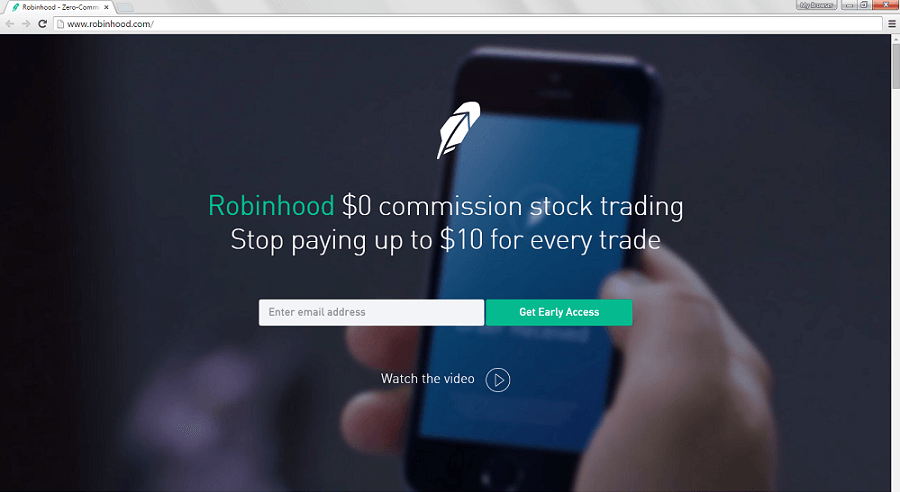
For example, Robinhood’s referral waitlist (which offered early access in exchange for signups and referrals), helped them gather around 1 million potential users before the app was live. It shows how powerful early buzz can be. These early users often become your first active users, give helpful feedback, and leave reviews that build trust for new users after launch.
-
Gather feedback and refine the product
Pre-launch marketing often overlaps with late-stage product development. By running a beta test or offering early access to a subset of users, you can collect valuable feedback and fix issues before the full launch. This improves your app’s quality (which means better reviews and retention post-launch) and also makes early users feel invested. They become part of your app’s story and are more likely to stick around.
-
Maximize launch day impact
Perhaps the biggest goal is to ensure your official launch has momentum. By the time you release, you want a surge of downloads and buzz. This can propel your app up on the App Store or Google Play rankings and into trending charts, creating a more organic visibility. Tactics like pre-orders, which we will explain in detail later, help front-load your launch day downloads, which can push your app into the “New Releases” or top charts in its category.
-
Establish credibility and trust
Finally, pre-launch app marketing aims to give your app credibility from day one. This could mean securing some press coverage or blog reviews about your app’s impending launch, gathering testimonials from beta users, or simply presenting a polished brand image. People are more willing to try a new app if they sense it’s “legit” and popular. Early media mentions, social proof (like follower counts or user testimonials), and a professional app store listing can all build trust.
In summary, the core objectives are awareness, audience, feedback, momentum, and credibility. If you focus your pre-launch app marketing plan on these goals, you’ll dramatically increase your chances of a successful app launch.
How to build a pre-launch app marketing strategy
Now that we know why pre-launch marketing matters, let’s get into how to actually do it. Building a pre-launch app marketing strategy involves multiple steps and channels working in concert. Think of it as a checklist of tasks and tactics to execute before launch day. Let’s explore the key strategies and activities for marketing your mobile app pre-launch.
Outline your pre-launch marketing plan and timeline
Every successful campaign starts with a solid plan. Begin by outlining your pre-launch app marketing strategy in a timeline. Determine how far in advance you will begin marketing. For instance, you might decide: week 1 focus on market research and positioning, week 2 set up a landing page, week 3 start content teasers on social media, week 4 launch a beta program, week 5 ramp up paid ads, and so on. Identify major milestones (like app store submission, beta testing phase, or press outreach dates) and ensure your plan accounts for them.
As part of planning, define clear goals and metrics. How will you measure pre-launch success? Common KPIs include the number of email sign-ups, social followers, press mentions, beta users acquired, or pre-orders collected before your app launch. Setting these targets will guide your efforts and help you decide if you’re ready for launch.
Build a landing page and email waitlist
One of the first steps in your pre-launch app marketing plan should be to create a landing page (or a small pre-launch website) for your app. This serves as the online hub for all information about your app before it’s available in the app stores. A good landing page clearly communicates your app’s name, branding, and a compelling pitch of what it does or why it’s awesome. It should have some eye-catching visuals or mockups of your app in action to pique interest. Most importantly, include a prominent call-to-action, typically an email signup form for a waitlist or newsletter. This way, interested visitors can leave their email to “get notified when the app launches” or to perhaps receive early access.
The goal here is to capture leads that you can later convert into users on launch day. Every email you collect is a potential download (and perhaps a source of word-of-mouth if they share it with friends). Done right, this page can also support SEO for your app by helping it appear in search results.
Your landing page can also host other content as your campaign progresses: teaser videos, a blog section for development updates, FAQs about the app, etc. Keep the design clean and mobile-friendly, since many visitors will be on their phones. Don’t forget to include social media links so people can follow you elsewhere (and so you can retarget them with ads or updates).
Build hype with content marketing and social media
With your landing page in place, you should also establish a social media presence and content strategy early in the pre-launch phase. The aim is to create ongoing engagement with your target audience so that they don’t forget about your app during the pre-launch window.
Start by identifying which platforms your potential users use, for a consumer mobile app, this might be Twitter (X), Instagram, TikTok, or Facebook; for a B2B or productivity app, maybe LinkedIn or tech communities; for gaming apps, perhaps Discord, Reddit, or specialized forums. You don’t need to be on every platform, but choose a couple that make sense and set up official profiles for your app.
Content marketing can play a big role in pre-launch marketing for apps. Consider maintaining a blog or at least posting articles on platforms like Medium about the problem your app solves or the journey of building it.
As you produce content and social posts, maintain consistent branding and messaging (tying back to that narrative/UVP you defined). Every tweet, video, or blog post should in some way build interest or trust in your upcoming app. By the time you launch, you want an active base of followers who feel like they’re part of the journey and can’t wait to download the app.
Launch a beta and collect early feedback
Your pre-launch app marketing phase is also an ideal time to run a beta test or offer early access to a segment of users. While beta testing is primarily a product quality exercise, it doubles as an app marketing strategy by engaging with your most eager users. Many users love the chance to be “first” or to have a say in shaping a product. By inviting them into a beta, you create a sense of exclusivity and involvement that can pay off with loyalty and word-of-mouth.
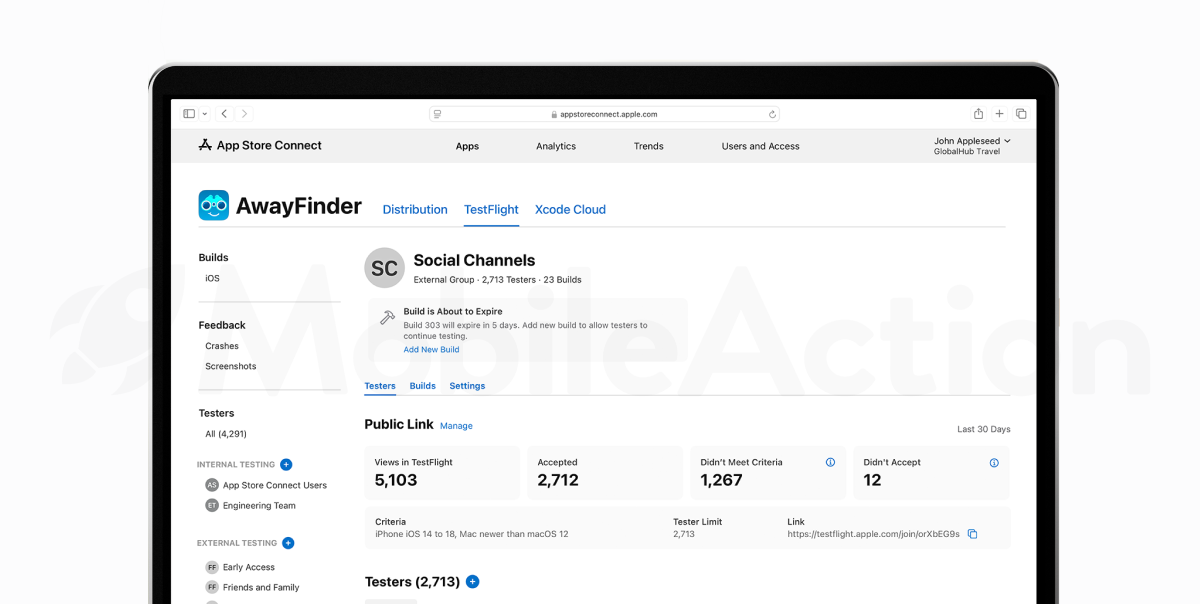
For iOS apps, you can use TestFlight to distribute beta builds to a group of testers. For Android, you can do closed or open beta testing via the Play Store’s pre-release channels. You might recruit beta testers from your waitlist, from your social media followers, or from communities. Ensure you have a way to gather feedback; beta users should be encouraged to report bugs and share their thoughts. This could be through a feedback form, a private Discord, or even one-on-one interviews for in-depth insights.
Another benefit is content; you can leverage beta testers for testimonials and case studies. Ask a few testers if they’d provide a quote about what they love, and feature those quotes on your landing page or App Store screenshots for social proof. According to marketing experts, positive quotes from beta users can add real-user credibility to your app store listing and other materials.
Fine-tune your app store listing in advance
Don’t wait until launch day to think about your app’s presence on the App Store or Google Play. A critical part of pre-launch app marketing is App Store Optimization (ASO), essentially, making sure your app’s store listing is as compelling and discoverable as possible. Both Apple and Google allow developers to create their app listing before the app is live. Take advantage of this by preparing your store page well ahead of launch.
Start with keywords and descriptions, and conduct proper ASO keyword research to find the search terms users might use to find an app like yours. Incorporate those keywords naturally into your app title and subtitle (on iOS) or short description (on Android), as well as the long description. If you’re not sure which keywords to target, look at similar apps’ listings or use ASO tools to see popular search terms in your category.
Next, focus on visual assets: your app icon, screenshots, and (if possible) an app preview video. These are the first things users see when they encounter your app listing in the store, so they need to be high-quality and persuasive. Design an app icon that is clean and recognizable (and ensure it stands out against others). For screenshots, don’t just show bland UI screens; use caption text and highlight benefits in the images. Use all allowed screenshot slots to tell a visual story.
Many developers lose downloads simply because their screenshots don’t meet store requirements. Before uploading anything, make sure you are using the correct sizes and formats. Here are the updated guidelines for 2025:
- App screenshot sizes and guidelines for the Google Play Store in 2025
- App screenshot sizes and guidelines for the App Store in 2025
Crucially, by preparing your store listing early, you can even do some soft tests or get feedback. For example, share a preview of your screenshots with your beta users or on social media to see how people react.
Setting up your listing in advance also allows you to take advantage of platform features for pre-launch, which brings us to the next big strategy: App Store pre-orders.
Use App Store pre-orders to boost your launch day
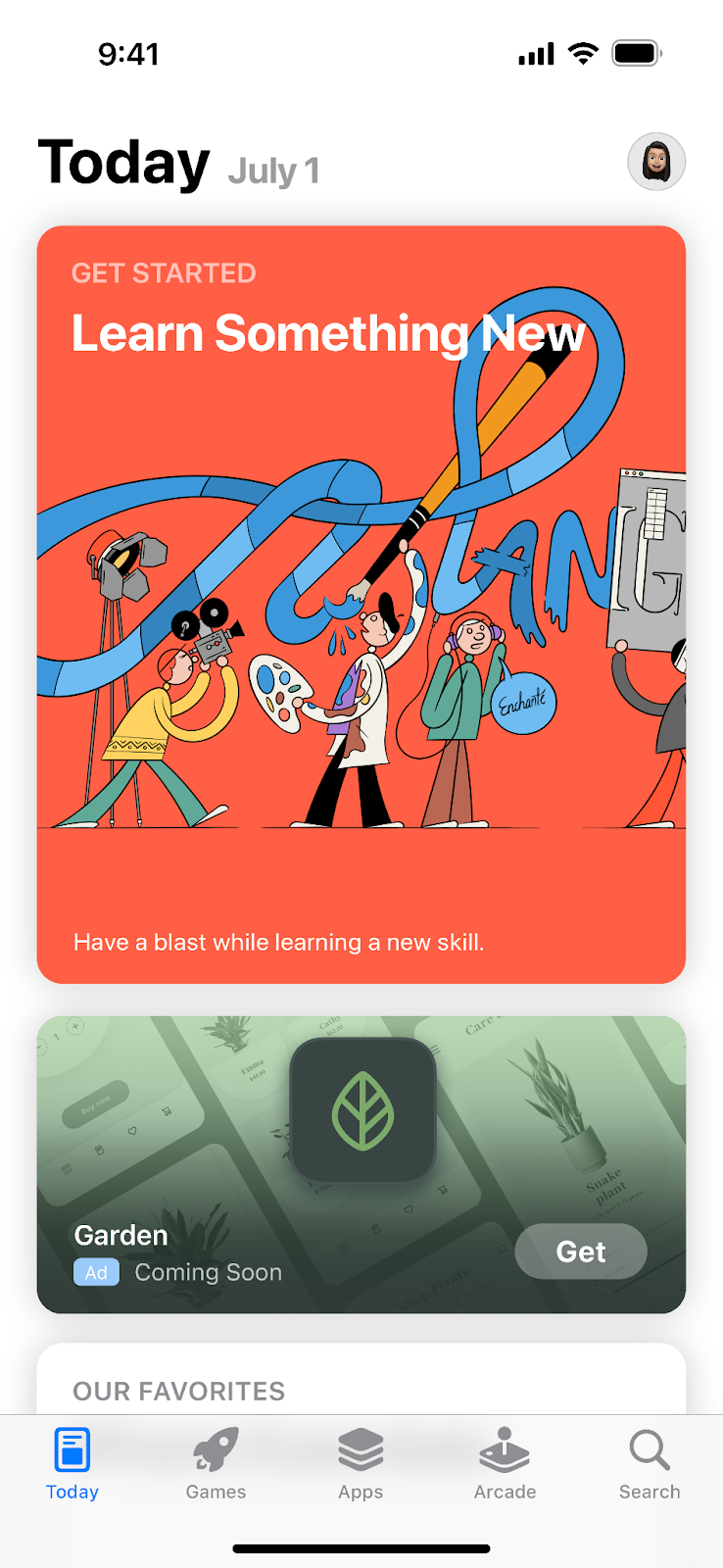
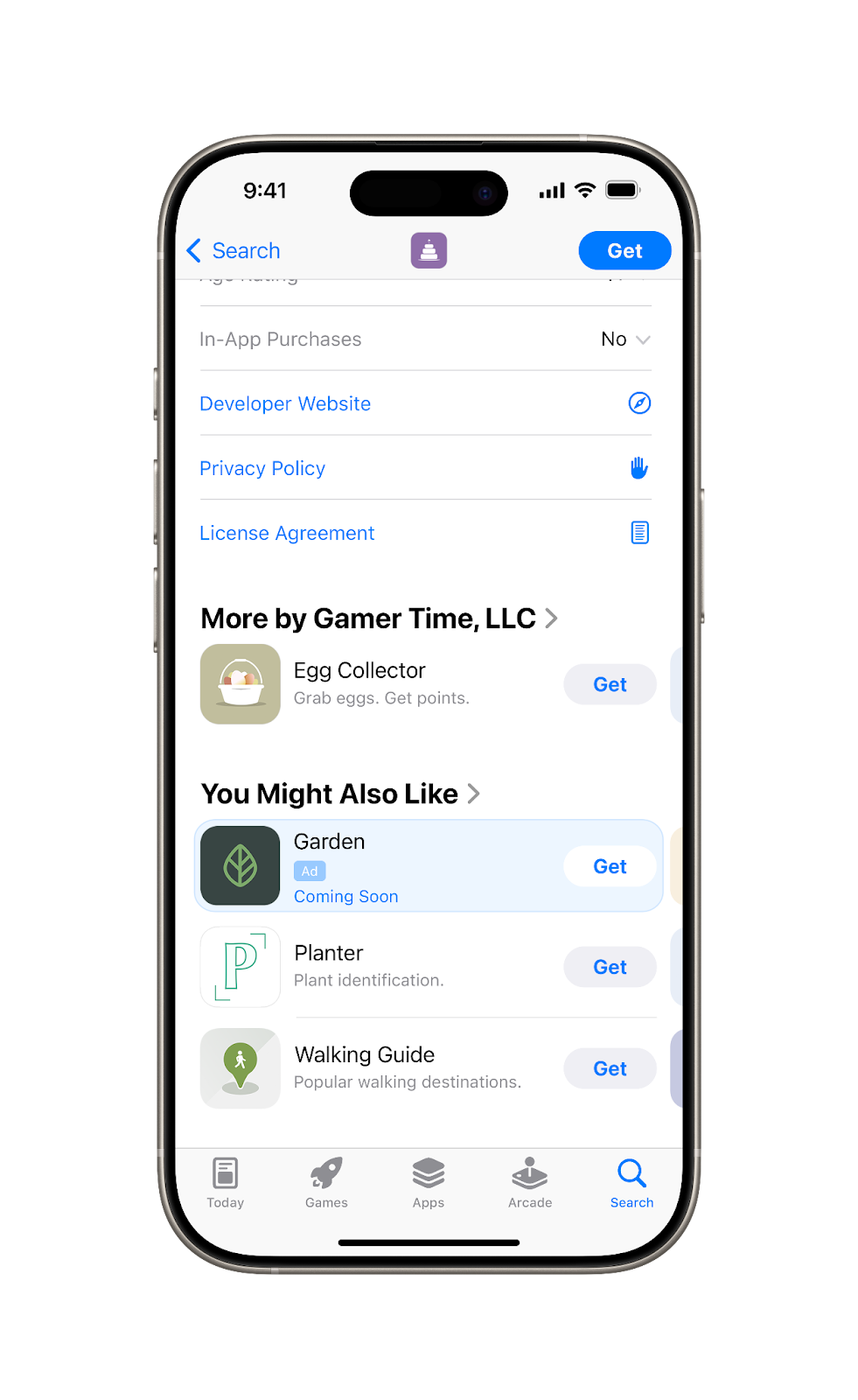
One of the most powerful tools for marketing is the App Store pre-order feature. With App Store pre-orders, users can sign up to get your app before it’s out, and it will automatically download to their device on release day. This feature lets you build excitement and commitment from users, translating into a surge of downloads the moment you go live.
These features let you list your app on the store before it’s released, so users can tap a “Pre-Order” or “Pre-Register” button to essentially reserve your app. Once you officially launch, those users get notified. The benefit is huge: you are effectively accumulating install demand ahead of time and unleashing it all at once on launch day, which can dramatically boost your visibility in the stores.
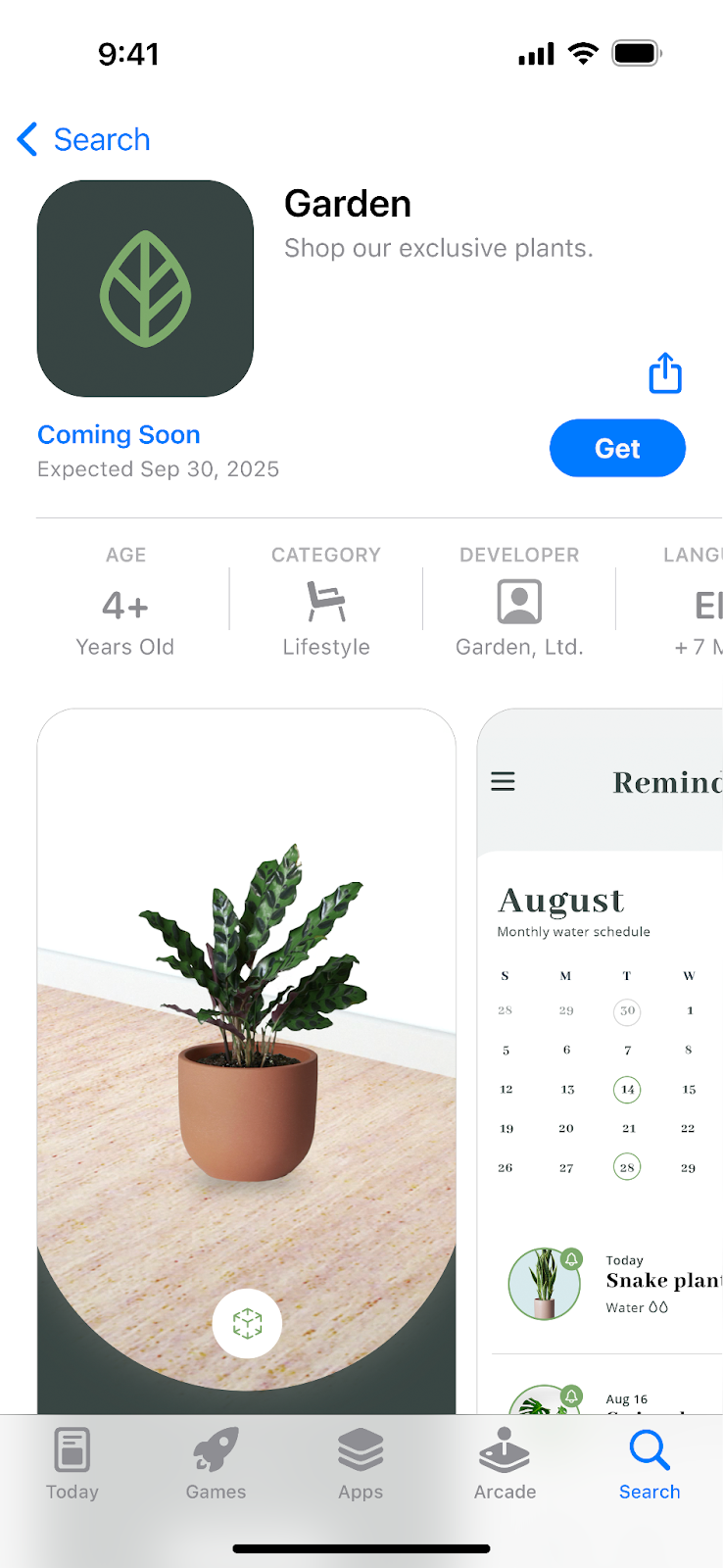
Apple currently allows new apps to schedule their release for any time between 2 and 180 days after the pre-order goes live, while existing apps expanding to new regions can set their regional release date for 2 to 365 days after publishing the pre-order.
Imagine being able to promote your App Store page for several months and collect user orders; by the time you launch, you might have hundreds or thousands of people already committed to downloading. All those downloads will count on day one, which can propel your app up the “New Releases” and top charts in your category. It’s essentially a way to front-load your launch with downloads that you would otherwise have to chase after release. If your app is paid, note that users aren’t charged until release day, and if it’s free, they’re simply notified, and the app installs automatically.
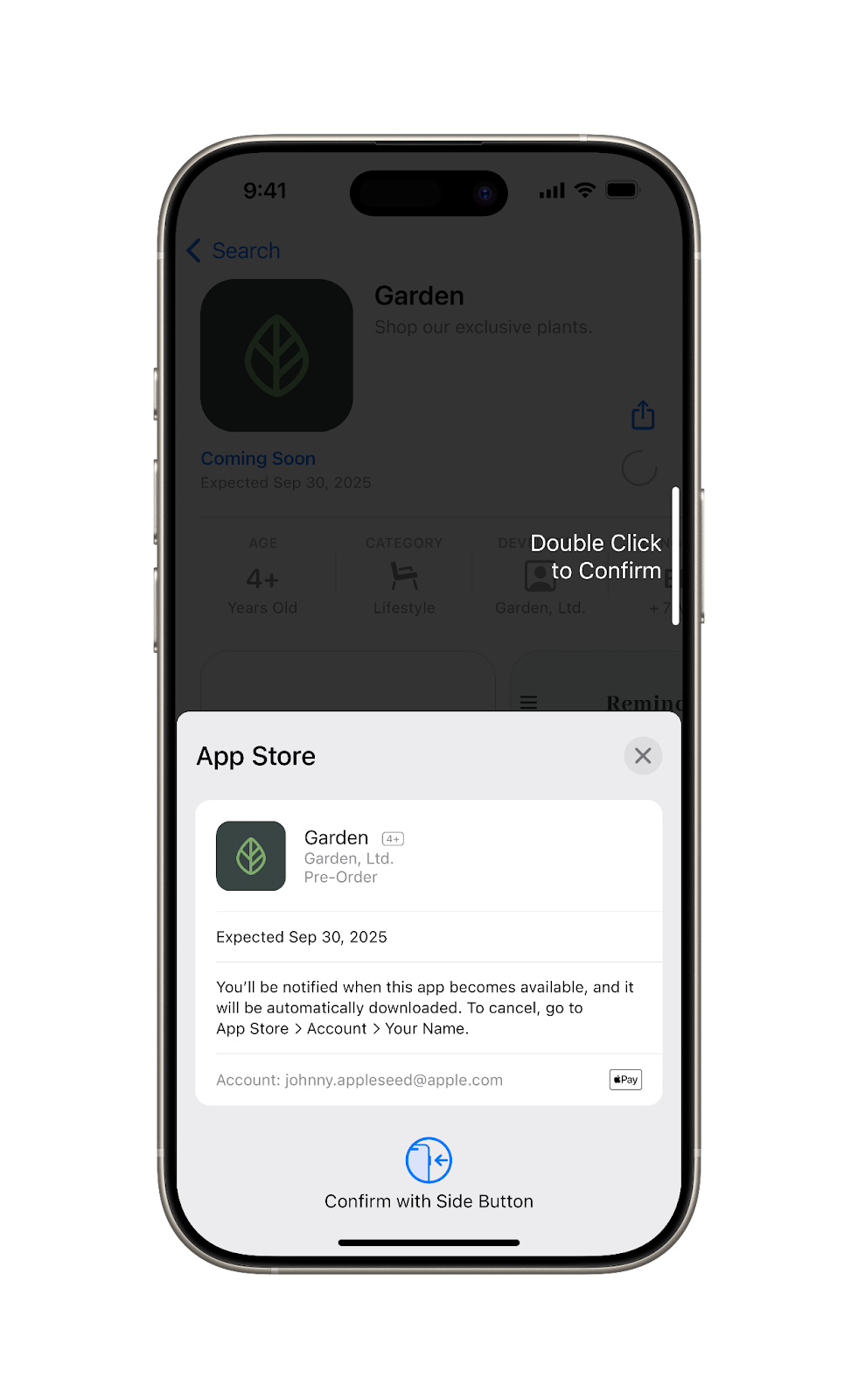
To set up a pre-order on the App Store, you need to have your app’s build and metadata submitted and approved by Apple before you open it for pre-order. Once that’s done, you choose a future release date (at least 2 days out and up to 180 days out) and enable “Make available for pre-order” in App Store Connect.
Once your pre-order page is live, make sure you promote it as widely as possible. Add a “Pre-Order on the App Store” call to action to your website, email campaigns, and social media. Apple even provides a special pre-order badge you can use in marketing materials to indicate your app is available for pre-order.
If you’re driving traffic through Apple Ads during this period, you can use custom product pages to show more relevant screenshots to different audiences. With MobileAction’s CPP intelligence, you can see how top apps structure their variations for specific keywords and markets, helping you match visuals and messaging to user intent. This improves conversion throughout the pre-order window and makes your App Store pre-order page more effective.
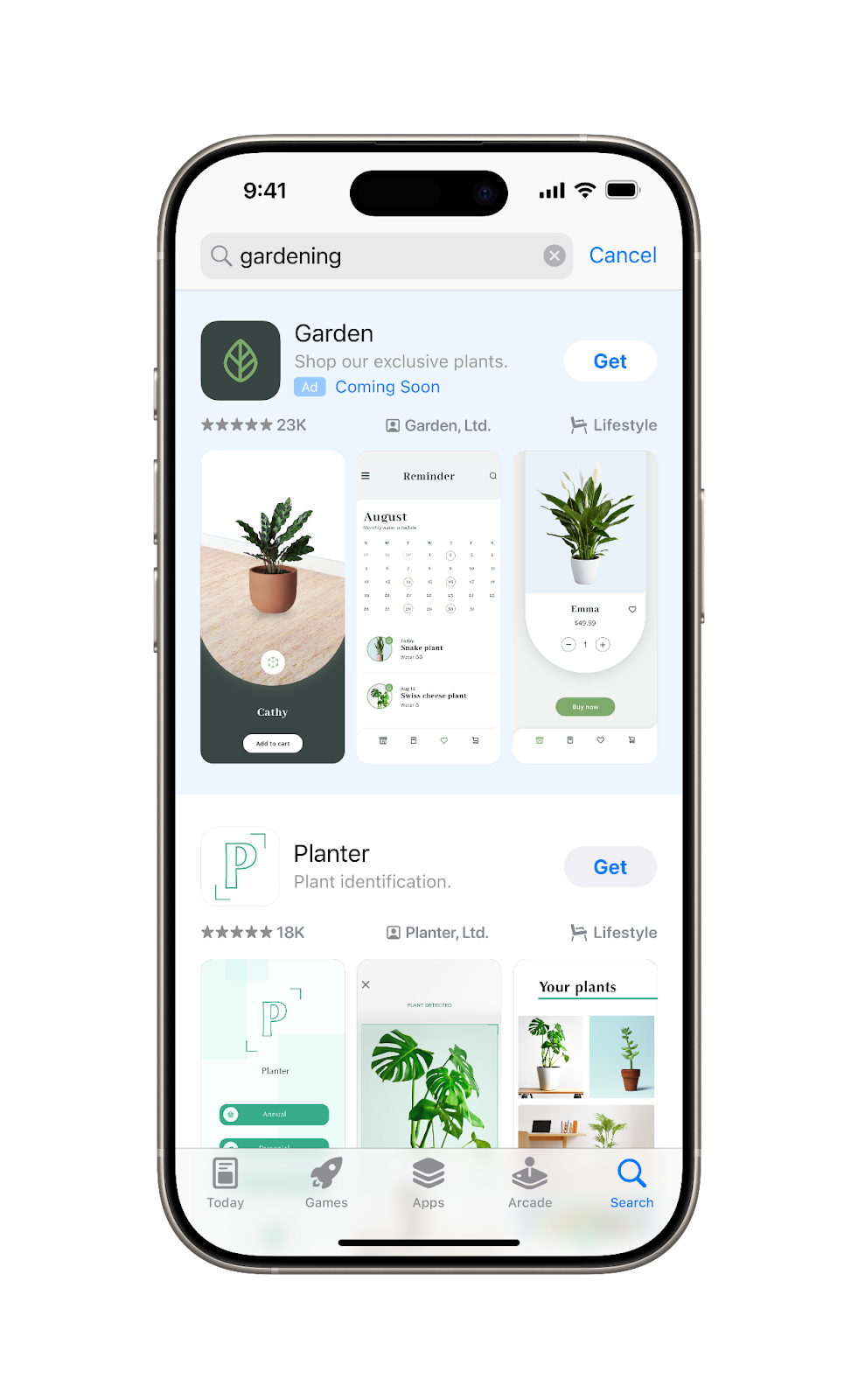
In summary, enabling pre-orders is a highly recommended app marketing strategy, especially for iOS apps. It converts pre-launch interest into actual installs the moment you’re live, giving you a strong kickoff.
Reach out to influencers and press for early coverage
While building your own audience is essential, don’t overlook the power of leveraging influencers, bloggers, and press to amplify your pre-launch marketing. A well-placed mention or article about your upcoming app can validate it in the eyes of potential users and dramatically expand your reach to new audiences.
Start with influencer outreach in your app’s niche. Identify influencers who cater to the audience you want; these could be YouTubers, TikTok/Instagram creators, or bloggers and podcasters. Reach out to them before launch. Offer them something of value: early access to the app, an exclusive feature to preview, or even a partnership. Emphasize what’s unique about your app and why their audience might love it. Some micro-influencers might talk about your app just because it’s cool and new; bigger influencers might require a sponsorship deal, and decide based on your budget and the potential return.
In essence, leveraging external audiences via influencers and media can greatly accelerate your pre-launch momentum. It provides third-party validation and exposes your app to people you might never reach on your own. Combined with your in-house efforts (landing page, ads, social, etc.), it rounds out a powerful pre-launch app marketing strategy.
A strong pre-launch marketing strategy accelerates app growth
As we’ve seen, marketing your app before launch is a multifaceted effort, but it’s absolutely worth it. By the time you reach release day, you want things working in your favor: people already talking about your app, interested users waiting, and a clear store presence that stands out. All the strategies we discussed, from building a waitlist to optimizing your app store listing and leveraging pre-orders, work together to create a launch that’s not quiet, but explosive.
These pre-launch efforts don’t just generate early downloads; they create momentum that compounds over time. An app that launches with an initial surge of happy users will boost the app rankings, attract press, and entice even more users in a virtuous cycle.
When launch day comes, you won’t be waiting for someone to randomly discover your app; instead, you’ll have a group of interested users who have been expecting your release. This kind of early momentum can speed up your app’s growth in a way that competitors may struggle to match. Invest the time and effort before launch, and you’ll see the benefits afterward.
As a final takeaway: start early, plan meticulously, and execute consistently. Measure your results, listen to feedback, and be ready to iterate on your plan if something’s not hitting the mark.
If you want a clearer sense of what’s happening in your category before launch, for example, which keywords are trending or how competitors are performing, MobileAction can give you that market view while you’re still preparing. You can sign up today and explore it as part of your app pre-launch planning.

Content Marketing Manager
Resources that you'll love

Grow your app on the App Store and Google Play Store with our solutions now